
Transforming Historic Buildings with Adaptive Reuse
domstay.com
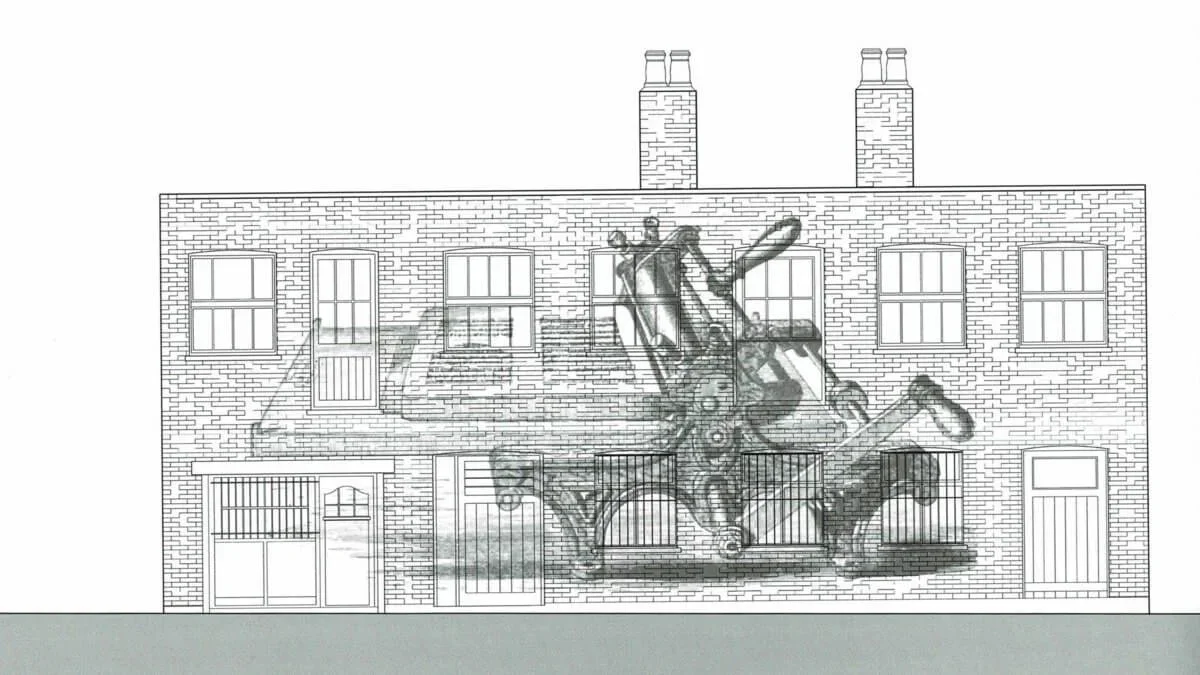
Adaptive Reuse Architecture is one of the most consequential design strategies of the 21st century. At DOMstay, it is the methodology at the heart of everything we do. We specialise in transforming existing buildings with history and character into contemporary spaces, whether that’s re-adapting an old ambulance station into a 4-bedroom home, or converting a former 19th-century lithographic printworks into three separate apartments. Adaptive reuse is not just a design approach for us; it’s our guiding principle for creating spaces that are sustainable, meaningful, and connected to their context. But what is it exactly?
Adaptive reuse refers to the process of repurposing existing buildings, often those with cultural significance, for functions beyond their original use. Rather than demolishing existing fabric and building from zero, adaptive reuse intervenes sensitively, retaining and highlighting a building’s context while upgrading it for contemporary performance.
Many buildings represent decades, if not centuries, of cultural and material investment. Adaptive reuse respects this legacy by preserving original elements such as façades, structure, and ornamentation, while integrating modern systems and functions. This continuity of place fosters a stronger connection between people and their built environment, transforming heritage into a tool that fosters a sense of belonging.
Perhaps one of the most important benefits of this approach is that it promotes economic, social and environmental regeneration. Adaptive reuse drastically reduces a building’s impact by preserving the energy and materials already embodied in existing construction. By avoiding demolition waste and lowering the carbon footprint associated with new construction, adaptive reuse plays a vital role in climate-aligned development and the circular economy.

And while our residential projects showcase how we translate this methodology into homes, we also draw inspiration from non-residential adaptive reuse projects that demonstrate the same principles on a larger urban scale.
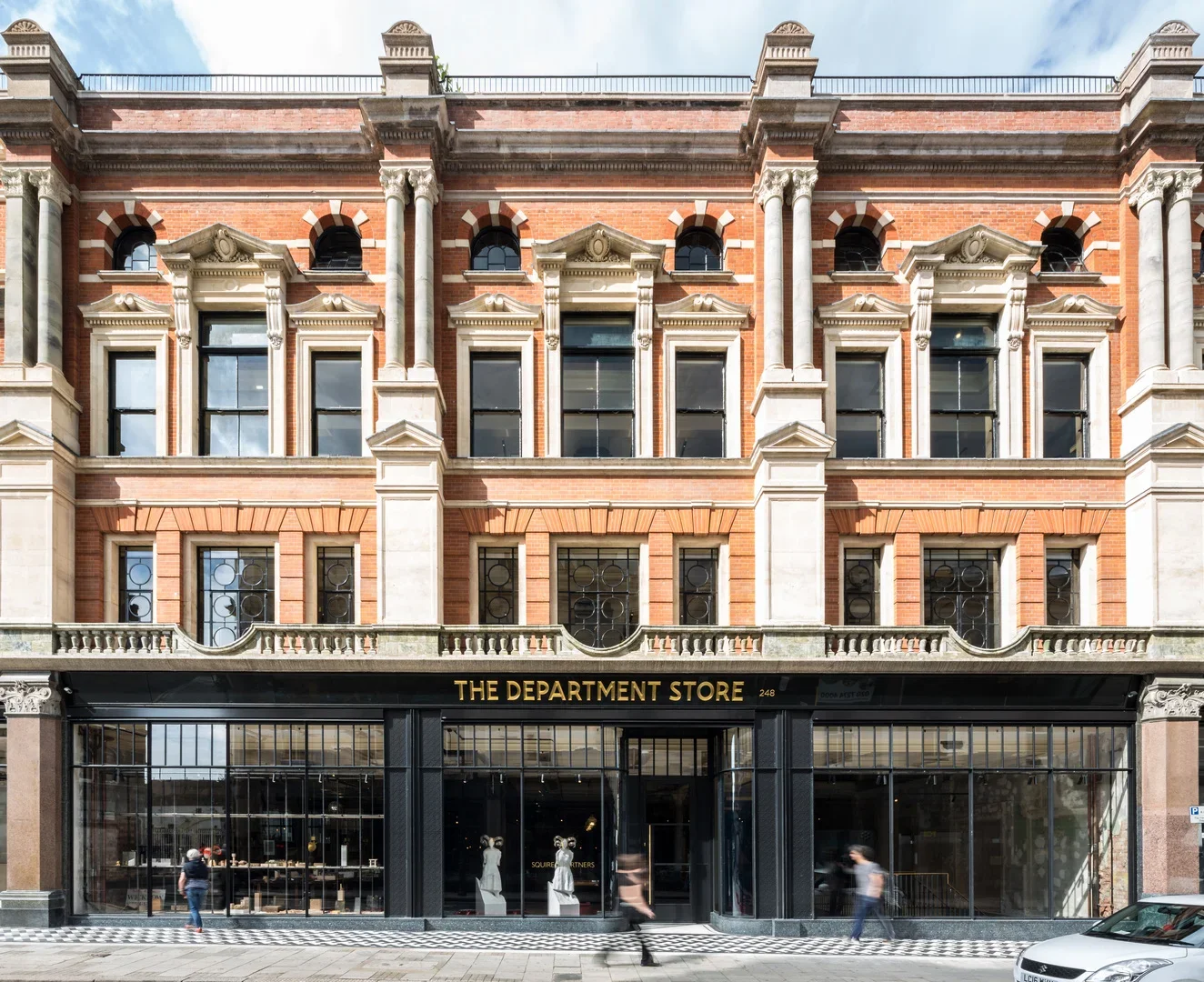
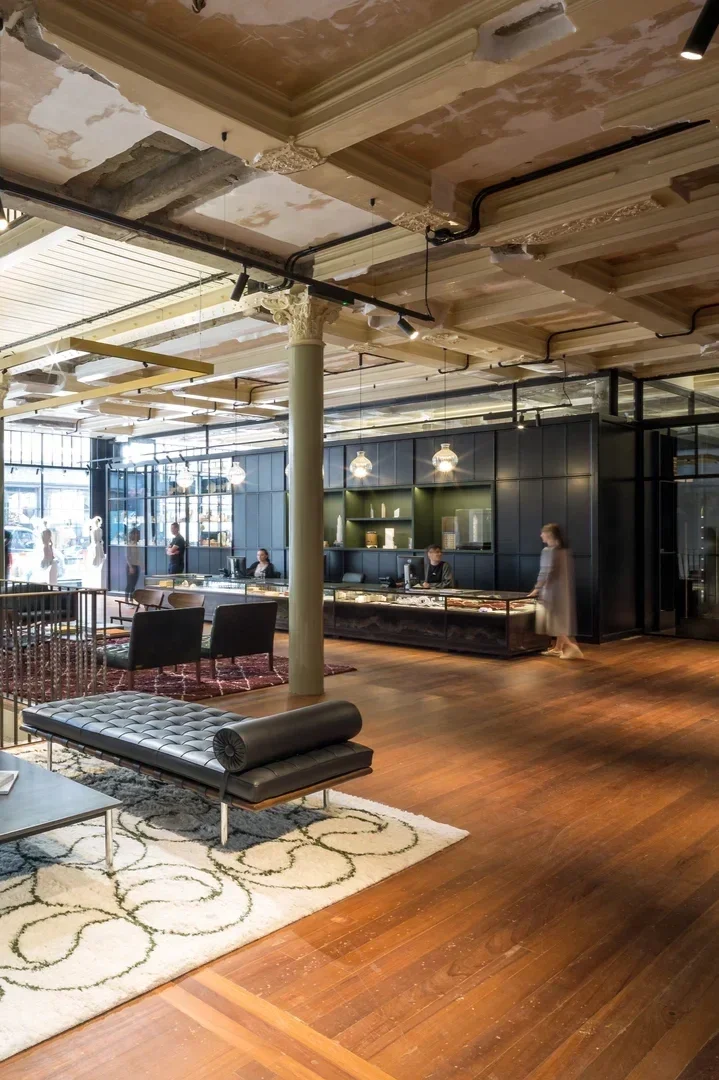
One of the most compelling examples is The Department Store in Brixton, London, an Edwardian retail block transformed into a vibrant workspace by Squire & Partners. Originally part of Brixton’s Bon Marché, the approach here was rooted in revealing rather than rebuilding: original brickwork, cast iron radiators, and parquet flooring were meticulously preserved. Rather than creating a generic interior, the scheme allows the building’s history to inform the spatial experience. Over 50 craftspeople were engaged to restore and extend the building, integrating modern workspaces, creative studios, retail units, restaurants and community functions within a richly textured environment.
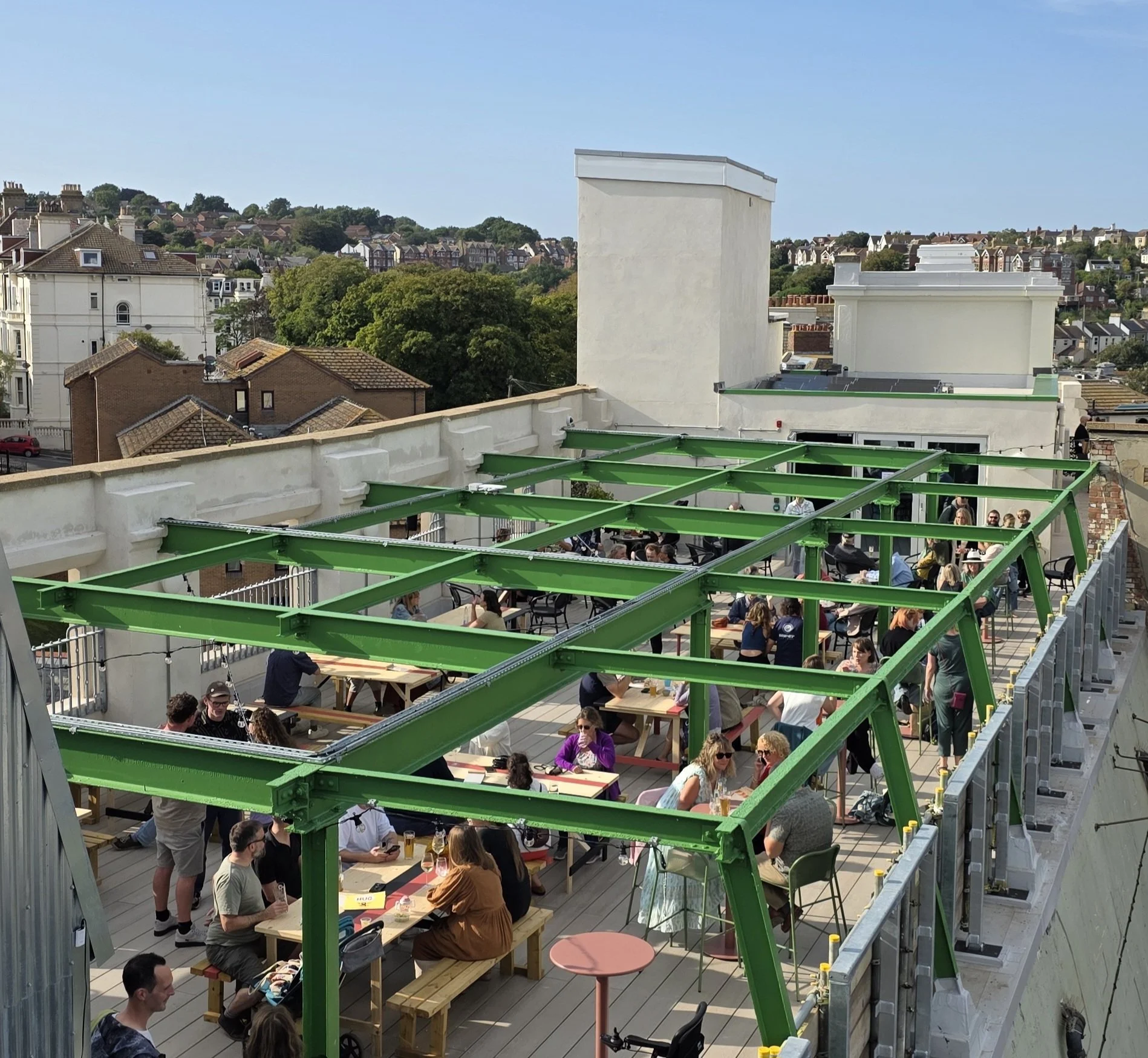
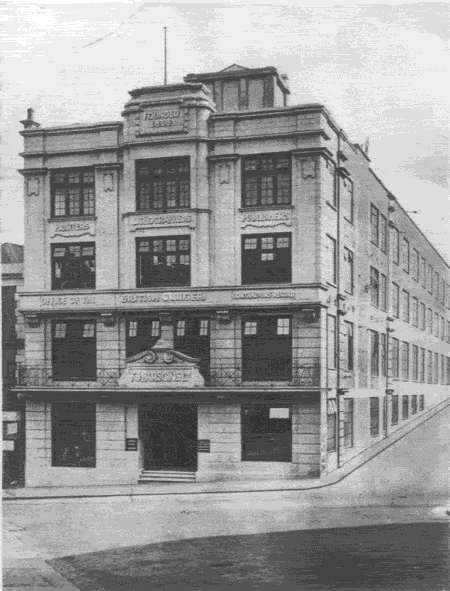
In Hastings, The Observer Building is a landmark not only for architecture enthusiasts but for the local community at large. Built in 1924 as the printworks and editorial offices of the Hastings & St Leonards Observer, the building became vacant after the newspaper relocated in the 1980s and sat derelict for over three decades. Community action and objections to demolition helped save it from destruction, leading to its purchase in 2019 by Hastings Commons Neighbourhood Ventures. The project now aims to transform this iconic structure into a resource for the local community, including capped‑rent flats, co‑working studios, event spaces, cultural venues, commercial amenities, and a rooftop terrace. Crucially, this initiative is driven by a commitment to social regeneration: creating employment, affordable spaces, and opportunities for locals in an area that has faced economic and social challenges. And this alone makes the building as much a piece of social infrastructure as architectural heritage worth saving.
It’s easy to observe that Adaptive Reuse is more than a design methodology; it is a strategic imperative for sustainable architecture. It reduces environmental impact, conserves cultural identity, and provides a platform for inclusive growth. In a world facing increasingly more ecological and social challenges, adaptive reuse offers a practical path toward meaningful development: reimagine, redesign, rebuild.
Latest Stories