
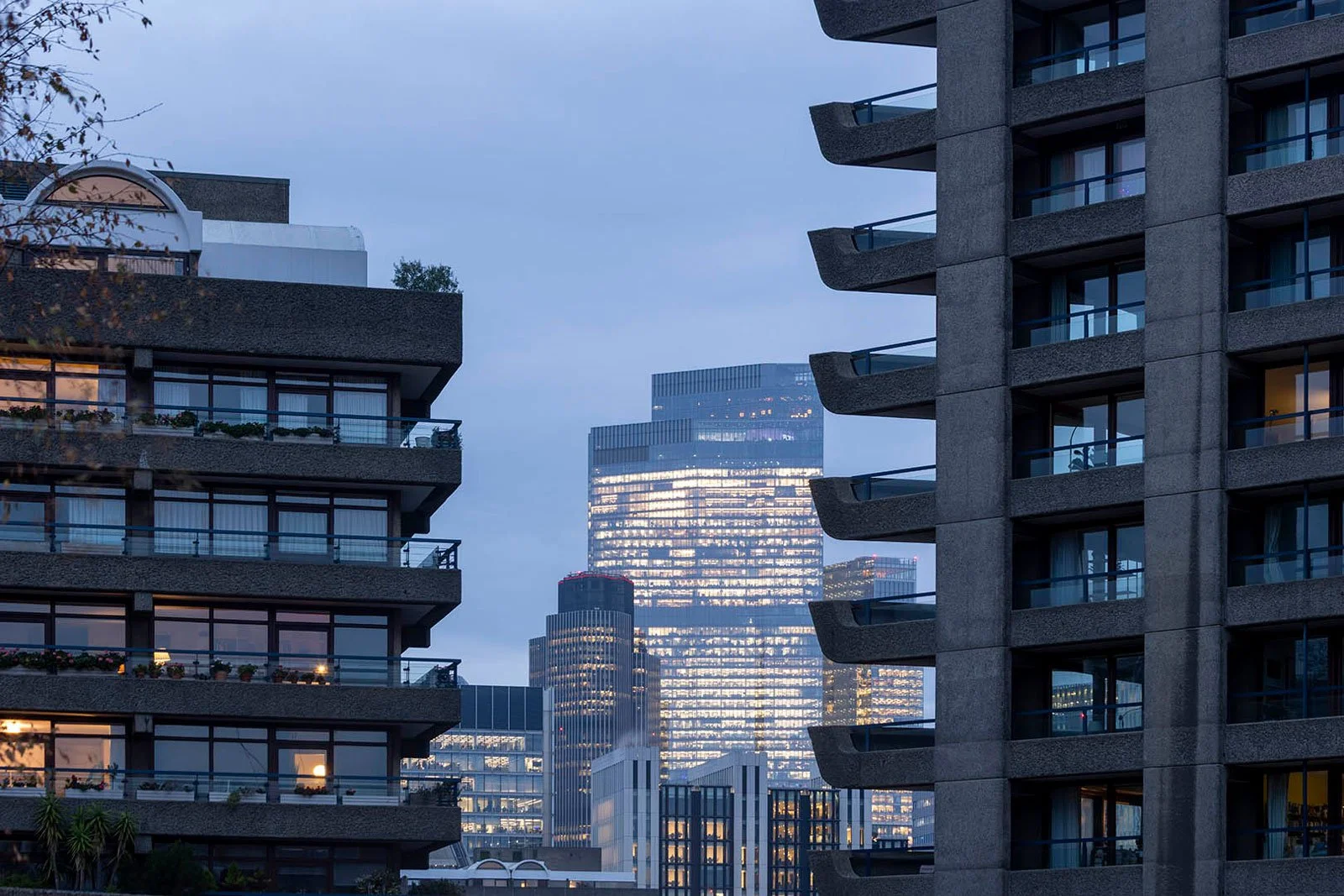
With its sixth season having recently drawn to a close, Slow Horses has once again brought London's streets to the screen. Based on Mick Herron's novels, the Apple TV drama follows a group of disgraced MI5 agents under the command of Gary Oldman's notoriously unpleasant Jackson Lamb. What many don't realise is that Slough House, their fictional headquarters, sits on Aldersgate Street, just a short walk from our Converted Warehouse on Old Street.
For those familiar with Clerkenwell, watching the series becomes an exercise in recognising the neighbourhood. Streets, restaurants, housing estates and even a historic burial ground make regular appearances, often looking considerably less inviting on screen than they do in person. Join us as we take a closer look at the real London locations behind Slow Horses.
Slough House and Aldersgate Street
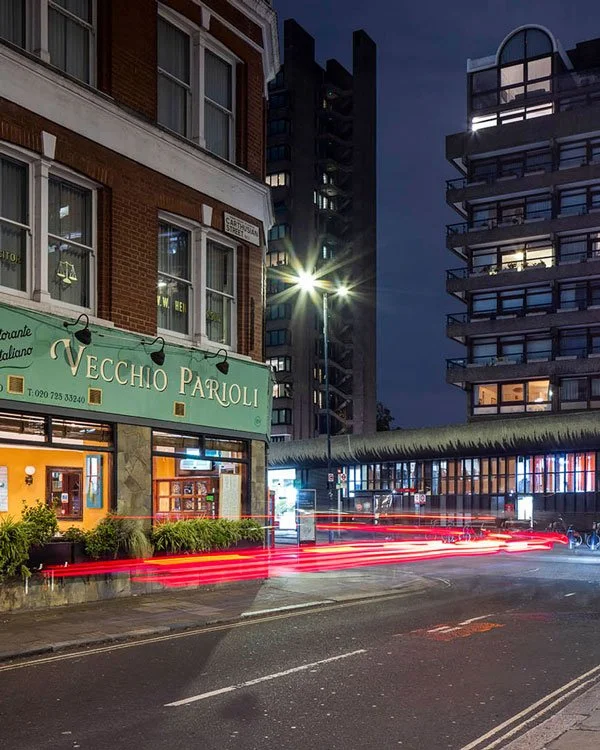
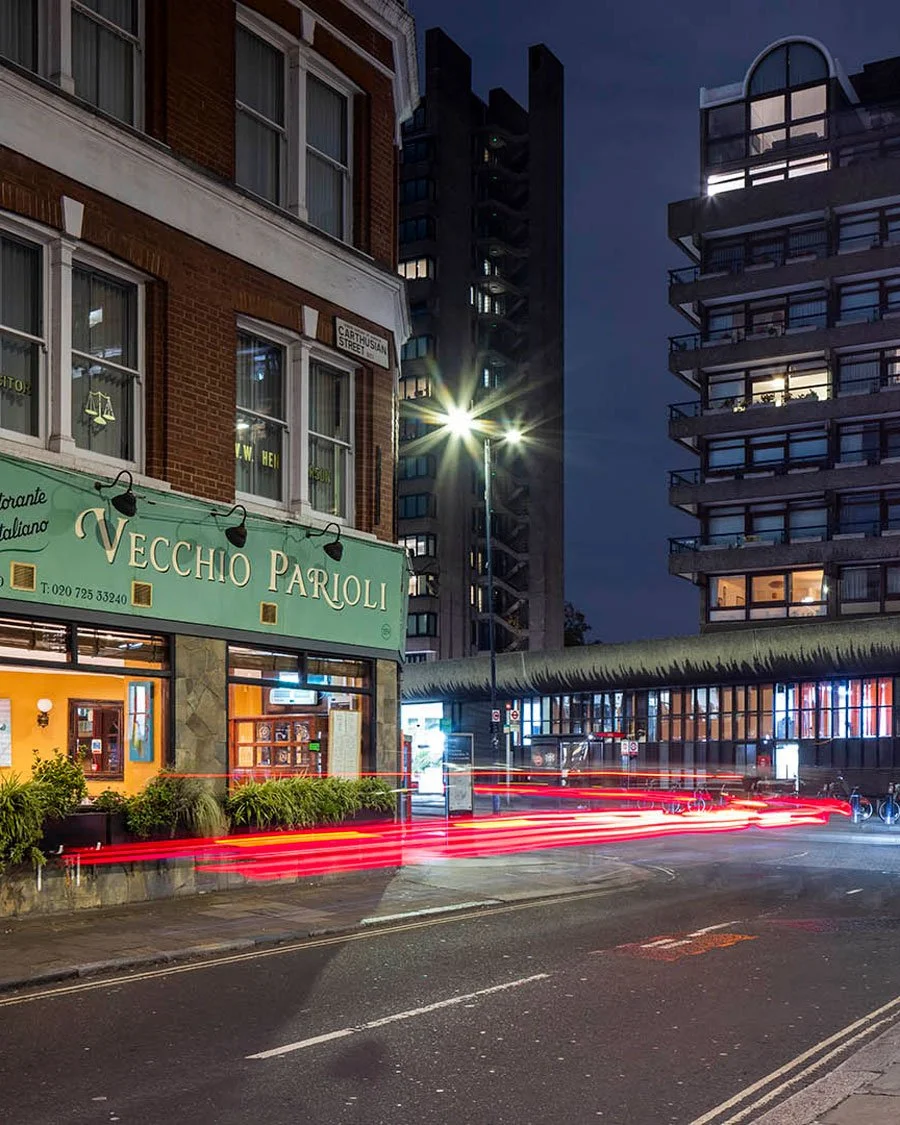
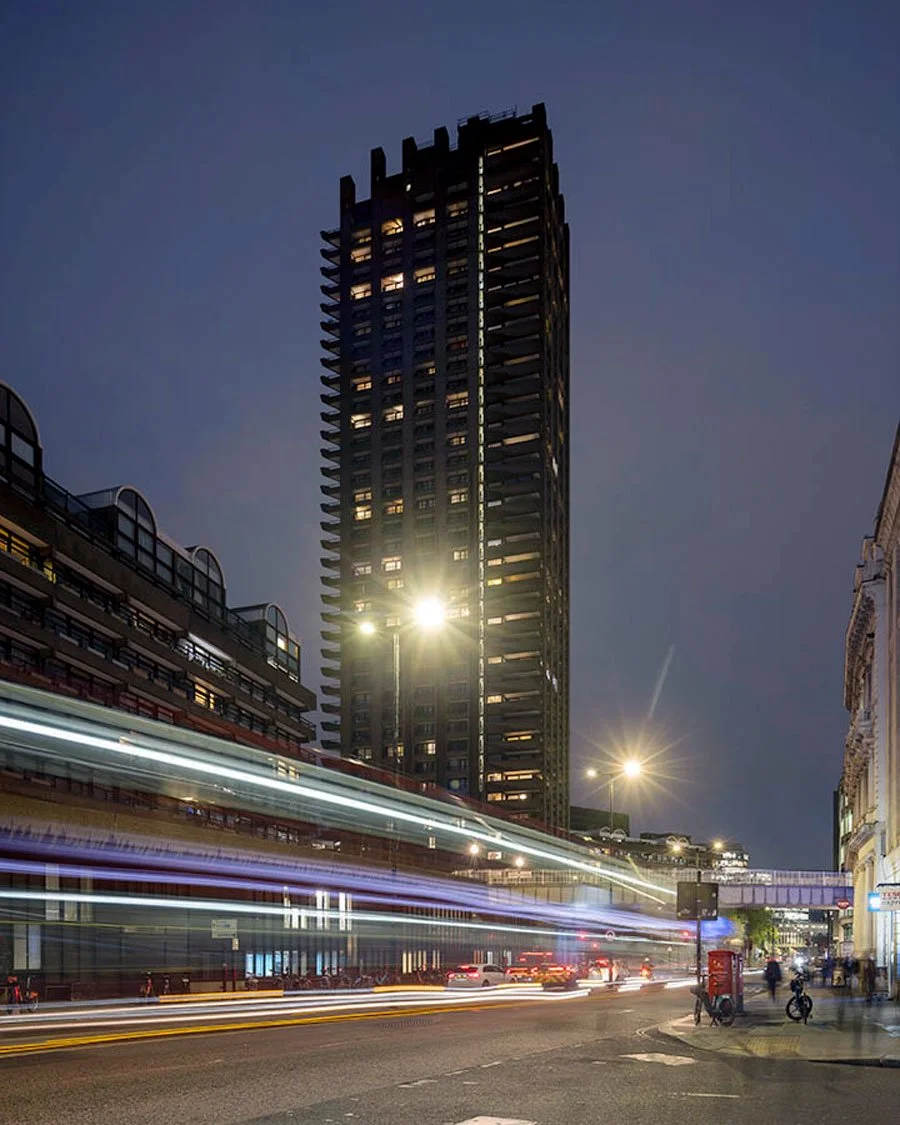
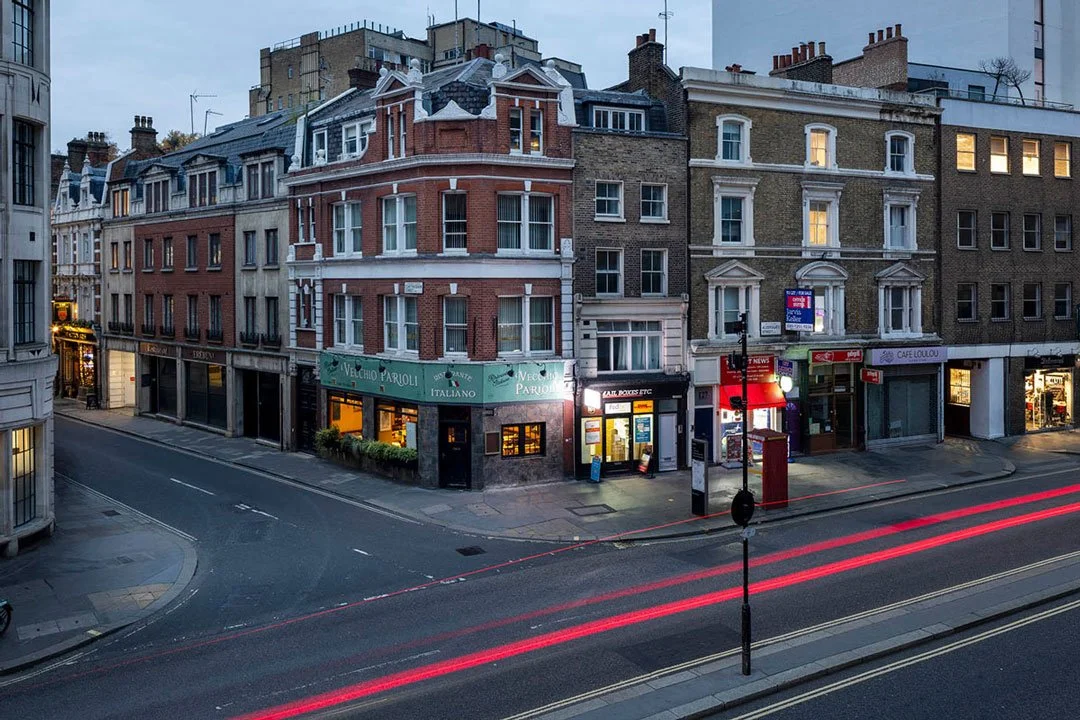
At the heart of the series is Slough House itself, located at the corner of Aldersgate Street and Carthusian Street, opposite Barbican station. Its upper floors sit above Vecchio Parioli, a longstanding Italian restaurant at 129 Aldersgate Street that has become a familiar presence throughout the show. Beyond appearing regularly in exterior shots, the restaurant has also hosted Jackson Lamb himself, including scenes in which he stops for a meal. Look closely at the windows above, and you may even recognise the lettering for W.W. Henderson, Solicitor, the fictional business concealing the intelligence office.
Not everything is quite where it appears, however. The building's back entrance, used frequently by the characters, is filmed separately in a service yard at 16 St John Street. The interiors, meanwhile, are constructed on a soundstage in Enfield.
Smithfield and the everyday Slow London
The Smithfield Market itself is undergoing considerable change, with the transformation of the former buildings into the new London Museum. Yet much of its character remains in the smaller businesses, narrow streets and layers of history that surround the area.
Unlike the more carefully constructed world of Slow Horses, places such as Beppe's Café, appearing in the fifth season, need little alteration for the screen. Their character comes from decades of daily use, something that is becoming increasingly difficult to find in central London. Nearby, the exterior of Fabric nightclub, which also appears in the fifth season, and the historic market buildings contribute to the area's distinctive atmosphere.
Bunhill Fields
This historic burial ground, located just off City Road, is the resting place of several notable literary figures, including William Blake, Daniel Defoe and John Bunyan. Its weathered paths and gravestones feel surprisingly removed from the busy nearby streets. In Slow Horses, Blake's grave becomes a recurring meeting point for the characters, who use the cemetery for conversations away from the office.
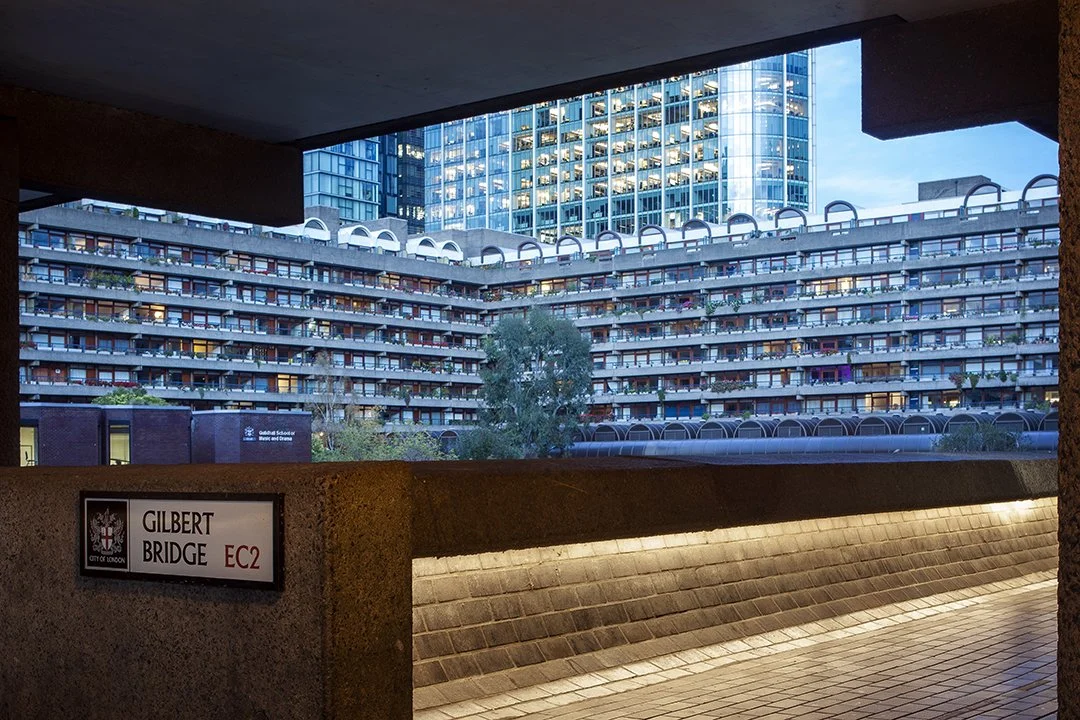
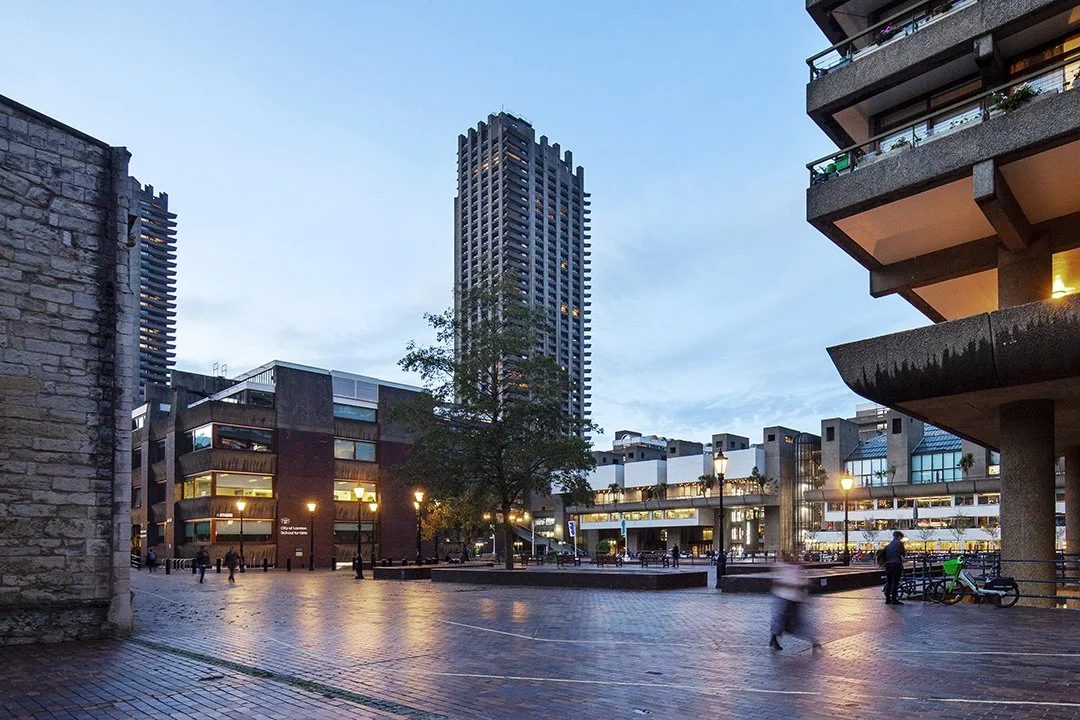
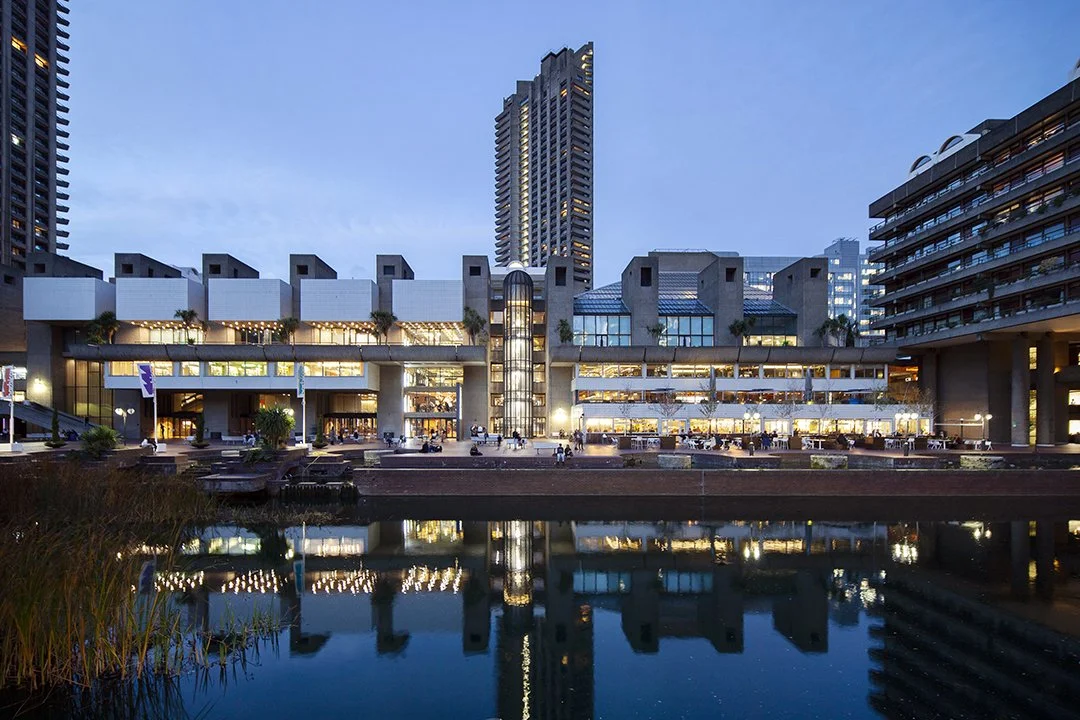
The Barbican and Golden Lane Estates
One of our favourite aspects of the show is that architecture is an important part of the visual identity. The concrete towers, walkways and enclosed courtyards of the Barbican provide a fitting setting for the world of British intelligence, with its labyrinthine corridors and austere design being the setting for one of the most memorable scenes of the third season. No spoilers from us, but you can read more about this architectural gem in our DOMstudies: The Barbican Estate.
Immediately to the north is Golden Lane Estate, another example of post-war London housing, designed by Chamberlin, Powell and Bon, the architects who would later develop the Barbican. In the fifth season, Roddy Ho makes his way through here, passing the distinctive colourful façade of Great Arthur House before reaching Fann Street.
A walk through Clerkenwell
One of the pleasures of Slow Horses is how closely its fictional geography follows the real city. Many of the locations can be visited on a single walk, beginning at Old Street and continuing through Bunhill Fields, Golden Lane, the Barbican and Smithfield. Along the way, the neighbourhood reveals a remarkable architectural variety, from medieval remnants sitting beside Georgian terraces to commercial Victorian buildings and some of London's most ambitious post-war developments.
A detour through Charterhouse Square is particularly worthwhile. Its historic buildings and quieter surroundings offer a contrast to the busier streets, and a reminder of how much of London's history remains hidden within this small area.
For those wishing to rest, The Old Red Cow on Long Lane or the iconic Vecchio Pariolli are perfectly located in the middle of the journey.
Part of what makes Slow Horses so compelling is its portrayal of a London that feels lived-in rather than idealised. Yet Clerkenwell itself offers considerably more than the somewhat gloomy world inhabited by Jackson Lamb. For guests staying at our Converted Warehouse on Old Street, many of these locations are only a short walk away. Whether following the footsteps of Slow Horses or simply discovering the neighbourhood, there is plenty to explore beyond the familiar landmarks of central London.
Photography by Voytek Ketz
Latest Stories