
Behind-the-Scenes with Tara Donovan of Casa Fuzetta
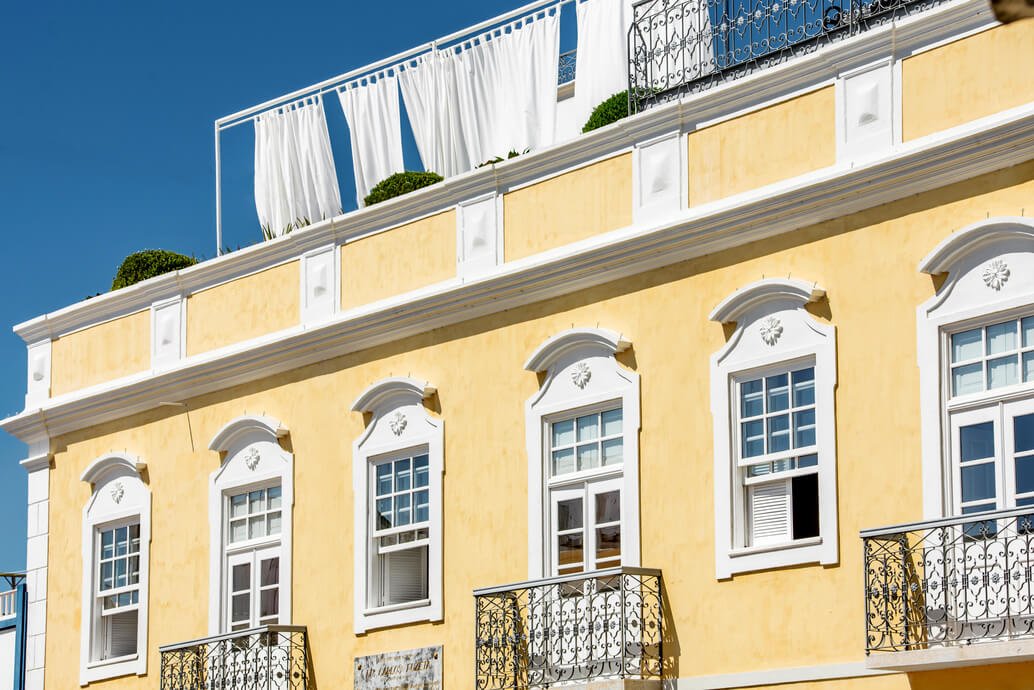
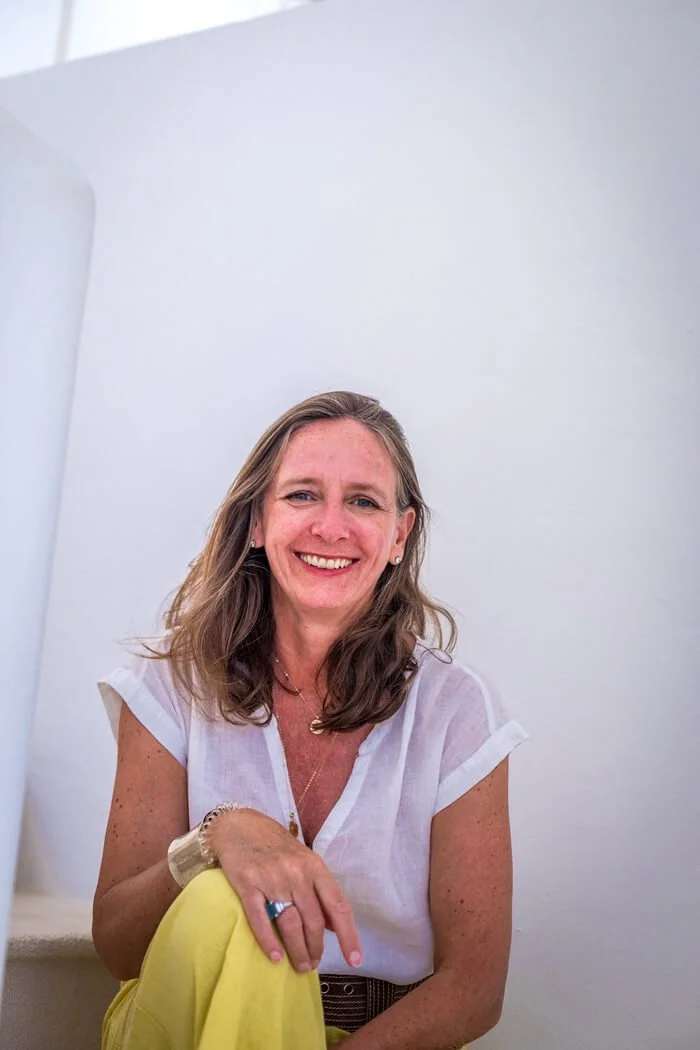
As a woman-owned business, DOMstay is always proud to spotlight women whose vision, resilience, and leadership are reshaping their industries. This year, we turn to Tara Donovan, owner of Casa Fuzetta in Olhão, Portugal: a historic townhouse transformed into a sanctuary for wellness, creativity, and meaningful connection. With a background in law, Tara’s journey as a founder spans hospitality, design, and community-building, and her work exemplifies how female entrepreneurship can combine ambition with care, creating spaces that nurture both guests and collaborators alike.
In this conversation with DOMstay’s founder, Marta Nowicka, Tara shares her insights on restoring heritage architecture, designing experiences that put wellness front and centre, and cultivating a network of collaboration and mentorship within her industry. From hosting yoga retreats, shortlisted as some of the best in the world by CNTraveller and Travel & Leisure, to launching events such as the Venue Owners Workation, where we had the chance to meet her, Tara’s approach is a masterclass in purpose-driven leadership.

When you first started the project, what kind of emotional experience did you want guests to have, and how did that vision shape your concept for the house?
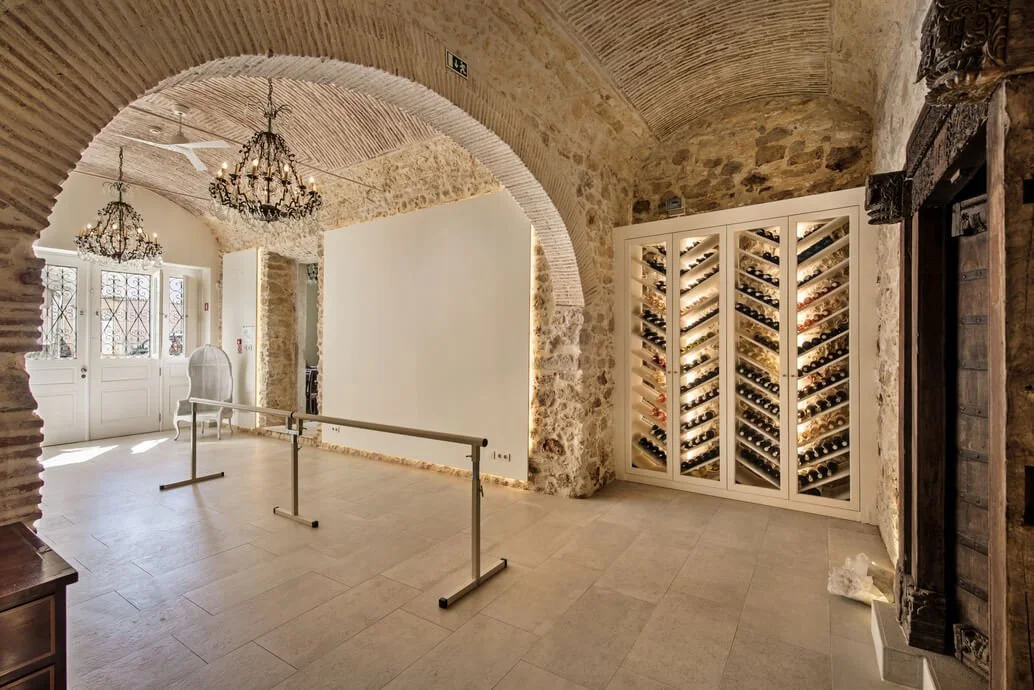
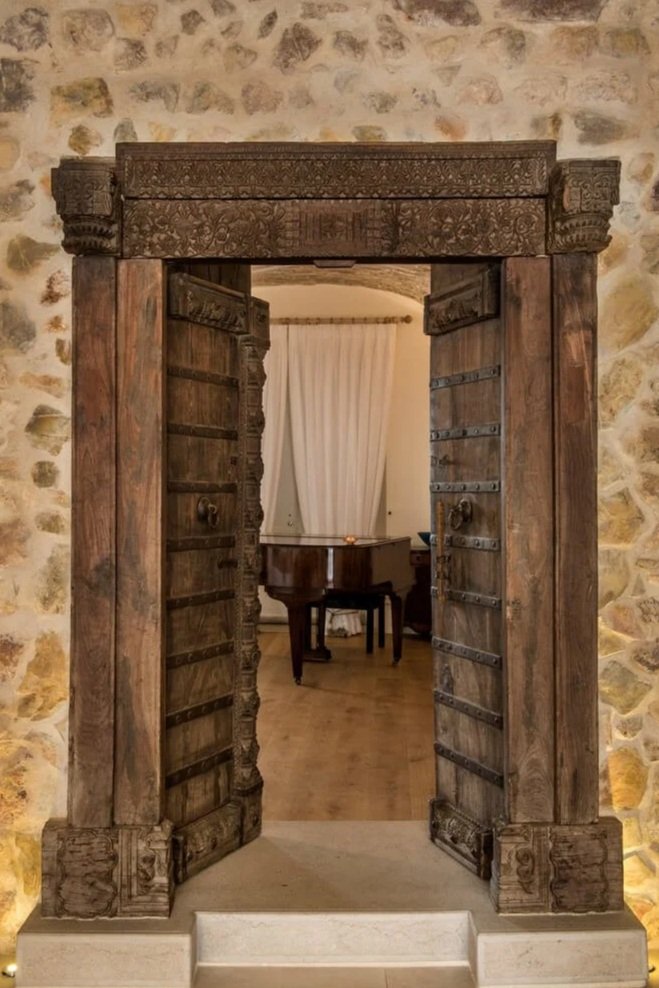
I’m not sure I was entirely conscious of it at the beginning. What I was really drawing from was our experience of travelling and how, in the end, what you remember most is never the décor; it’s how a place and the people make you feel. From the start, the most important thing for me was that when someone walked through the door, they would feel immediately at ease; that sense of being able to breathe out. I’ve stayed in places that are so perfect that you almost feel afraid to sit on the sofa. I never wanted that. Everything we did was about creating a sense of comfort and authenticity. That influenced our choice of materials and the way we worked with the building’s history. In the end, it became about creating a space where people feel comfortable, grounded, and able to simply be.
Did the history of the house and of Olhão also influence the programmes and experiences you wanted to offer at Casa Fuzetta?
In some ways, although the wellness aspect wasn’t really influenced by the town itself. On paper, a retreat venue in the middle of an old fishing town isn’t the obvious choice. Most retreats are in the middle of nowhere. In Olhão, everything is within a ten-minute walk, which offers guests independence. They can explore the fish markets, walk to the waterfront, and take a boat to the islands. Olhão also has this extraordinary history. Fishing here dates back to Roman times, and that prosperity created this fascinating architecture: Moorish influences, cubist buildings, Art Nouveau, and modern Portuguese design. It’s a real melting pot. For me, though, the magic is often sitting at the waterfront with a coffee, watching the town wake up. That kind of human connection is what most people miss in city life.
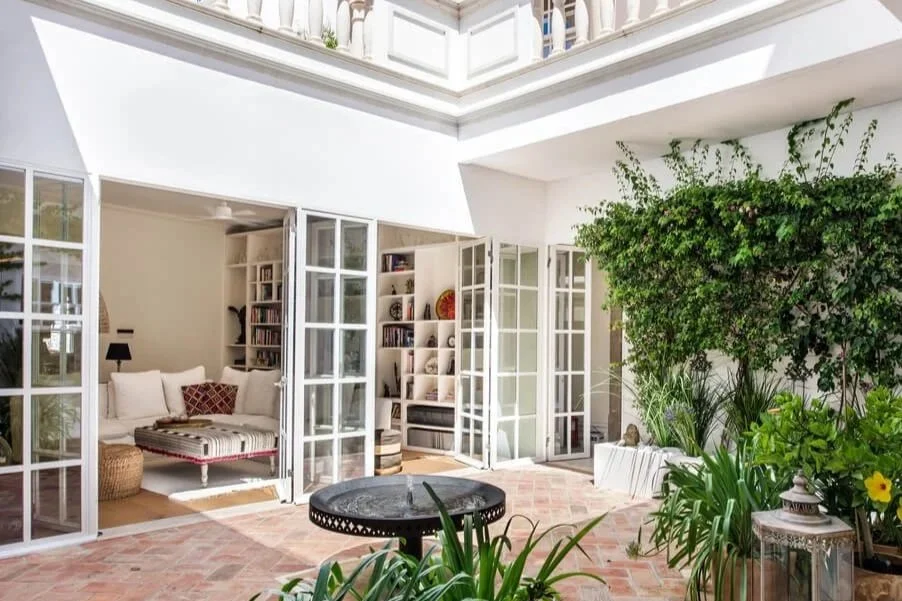
Restoring a large historic townhouse in a foreign country must have required resilience and conviction. Were there moments of doubt, and what helped you keep going?
There were definitely moments of doubt! Restoring a building of that scale in another country is a huge undertaking, emotionally, logistically and financially. At a certain point, you’re so invested that there’s really only one option, which is to keep going. What was extraordinary, though, was how many things seemed to fall into place along the way. Even our project manager eventually admitted that he had never seen a project unfold quite like it. Looking back, there was a sense that the house itself wanted to come back to life.
Wellness is often treated as an add-on in travel, but at Casa Fuzetta, it is the foundation. When did you realise that it should be central to the guest experience?
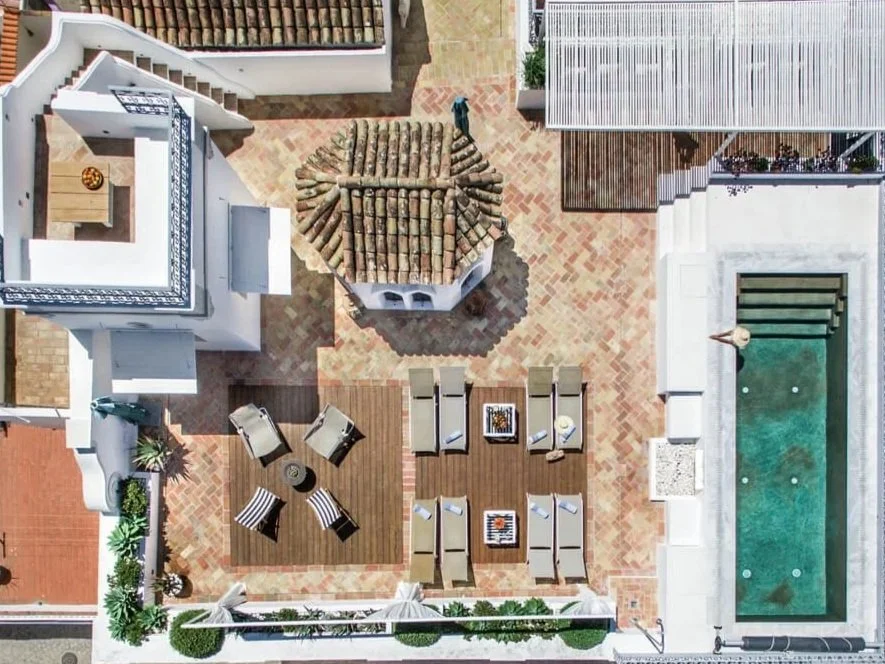
When I first stood on the roof of the building, when it was still completely derelict, I suddenly thought: this could be an amazing yoga retreat venue. At the time, yoga retreats were still relatively niche. But I had noticed the beginnings of a cultural shift. Yoga was becoming more mainstream, and there was growing interest in travel that focused on wellbeing rather than just sightseeing. Over time, it became clear that retreats and the sense of rest and reconnection they offer would become the backbone of Casa Fuzetta.
Casa Fuzetta prioritises depth, quality, and meaningful connection. Was that a deliberate counterpoint to conventional growth models?
Yes, absolutely. From the beginning, the focus was never on scale. For me, it’s always been about the quality of the experience, the care put into every detail, and the meaningful connections guests can have with each other and the place. Depth over growth has always felt more fulfilling and aligned with our philosophy.
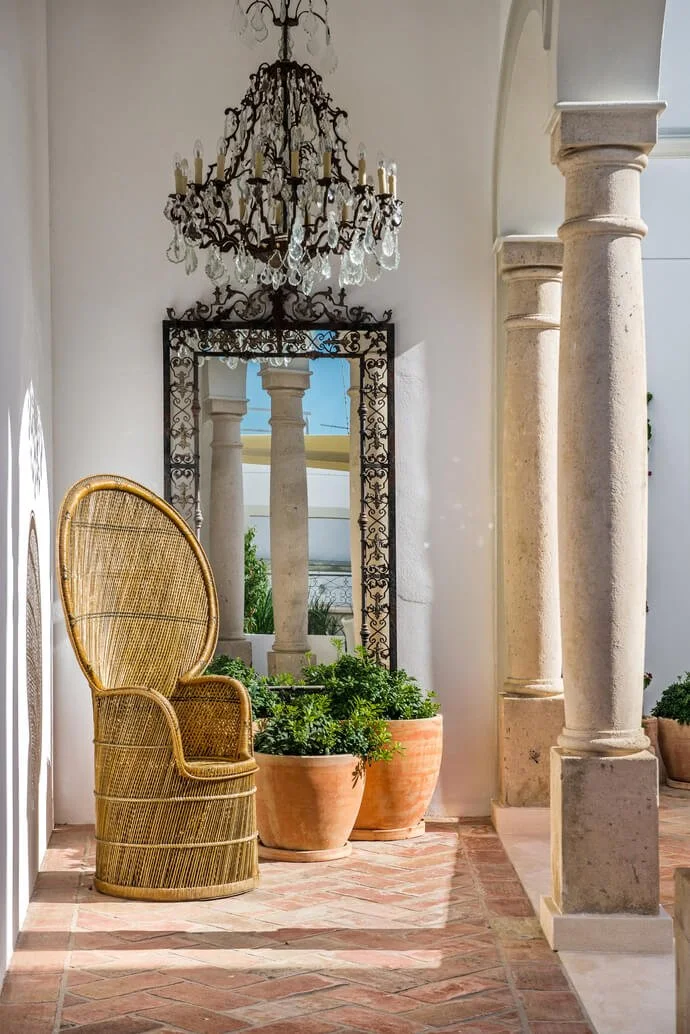

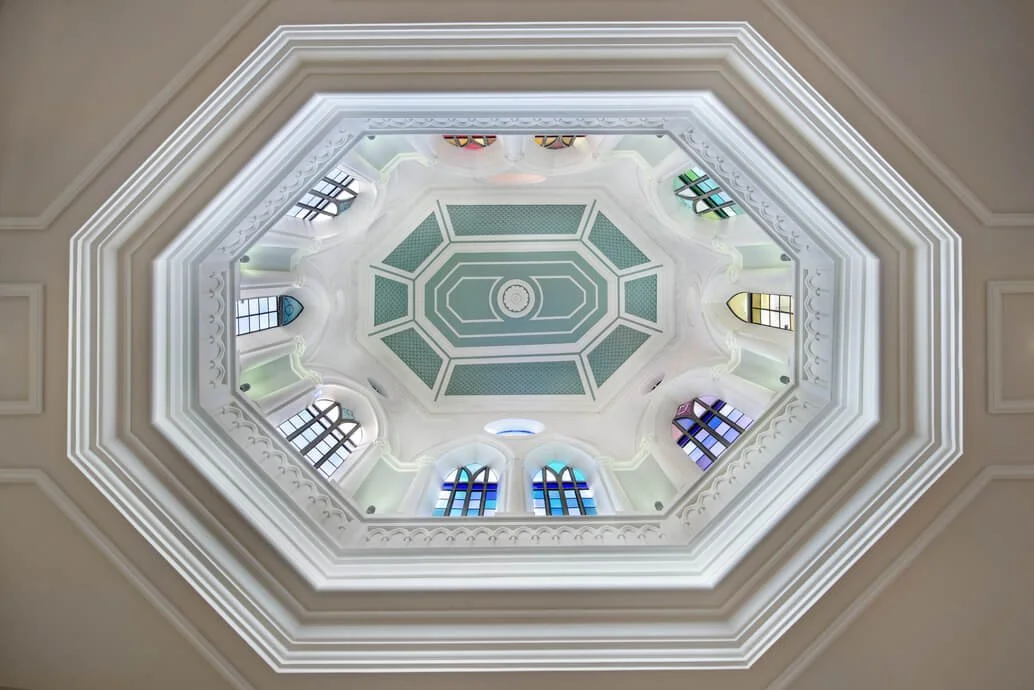
The philosophy behind Casa Fuzetta fosters collaboration with the local community, from house managers, chefs, and therapists to initiative partners and volunteering opportunities. How important has co-creation been to your growth? Do you think women build businesses differently in this respect?
I’m a huge believer in curiosity and collaboration, so there are central pillars for Casa Fuzetta. Sharing knowledge, ideas, and energy has amplified what we can achieve. And absolutely, I think women tend to build businesses with more focus on connection. It’s often about lifting others up as you grow.
The Venue Owners Workation was a brilliant example of community-building within hospitality. What prompted you to create this forum, and how do you see collective learning shaping the future of independent retreats?
Over the years, a lot of people have asked me for advice about running retreat venues, so rather than having lots of separate conversations, I thought: why not bring people together? The idea was to create a space where venue owners could exchange experiences and learn from each other. This smaller format feels more aligned with my ethos: few people, but deeper conversations. It’s less commercial perhaps, but much more meaningful for those who attend.
Looking back, what advice would you offer to women who want to create place -led businesses, holiday homes, retreats, or community spaces?
Trust your instincts. If something feels right and you can see the vision clearly enough, that’s often the most powerful starting point. Casa Fuzetta was built almost entirely on gut feeling rather than market research. But you also need resilience. Projects like this are long, complicated, and sometimes frightening, especially when the bills start arriving. Once you commit, though, you just have to keep moving forward and keep solving the next problem.
What does the future hold for you and Casa Fuzetta?
What excites me most is continuing to deepen the sense of community. The retreats remain the heart of what we do, but initiatives like the workations are opening up new ways for people to connect, learn from each other, and collaborate. Casa Fuzetta has always been about creating a space where people can reconnect with themselves and with others and that will continue to guide whatever comes next.
Latest Stories