
The Story of No. 16 Charles Square
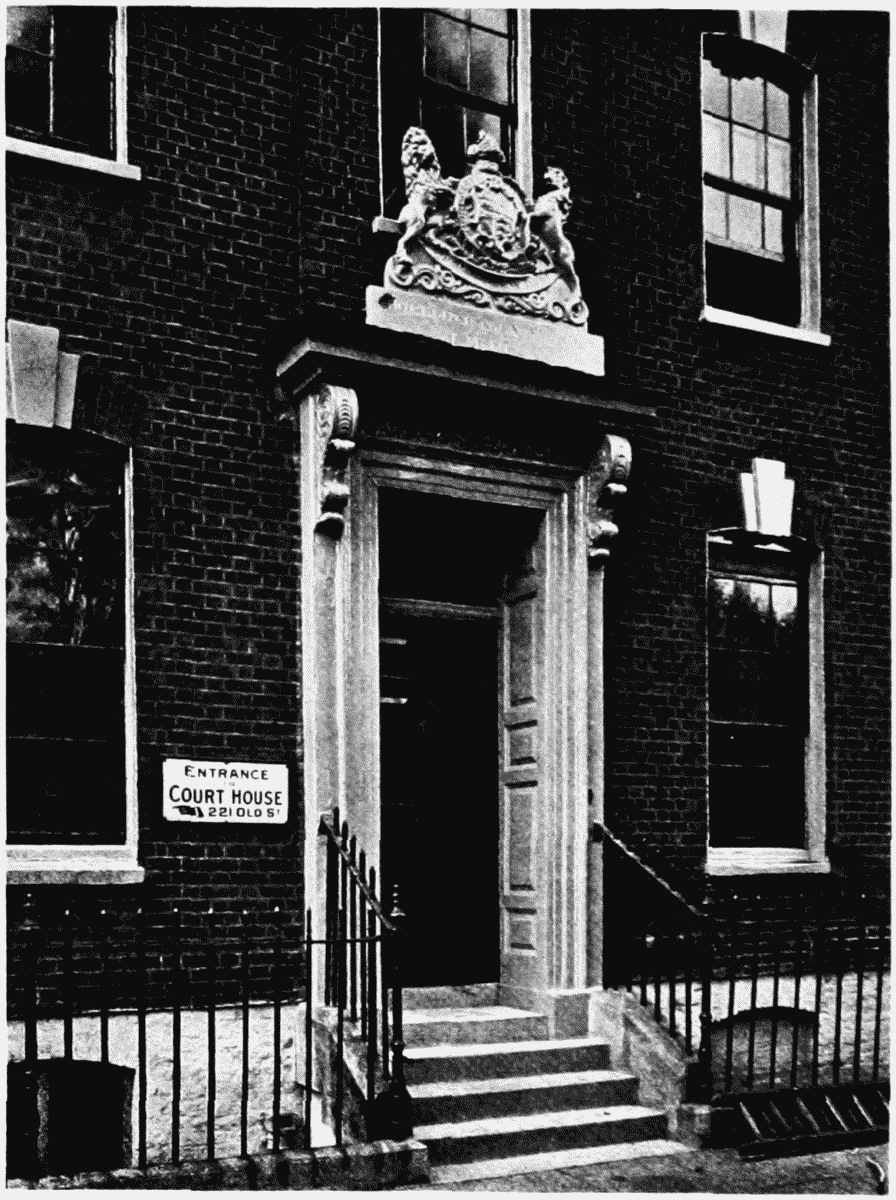
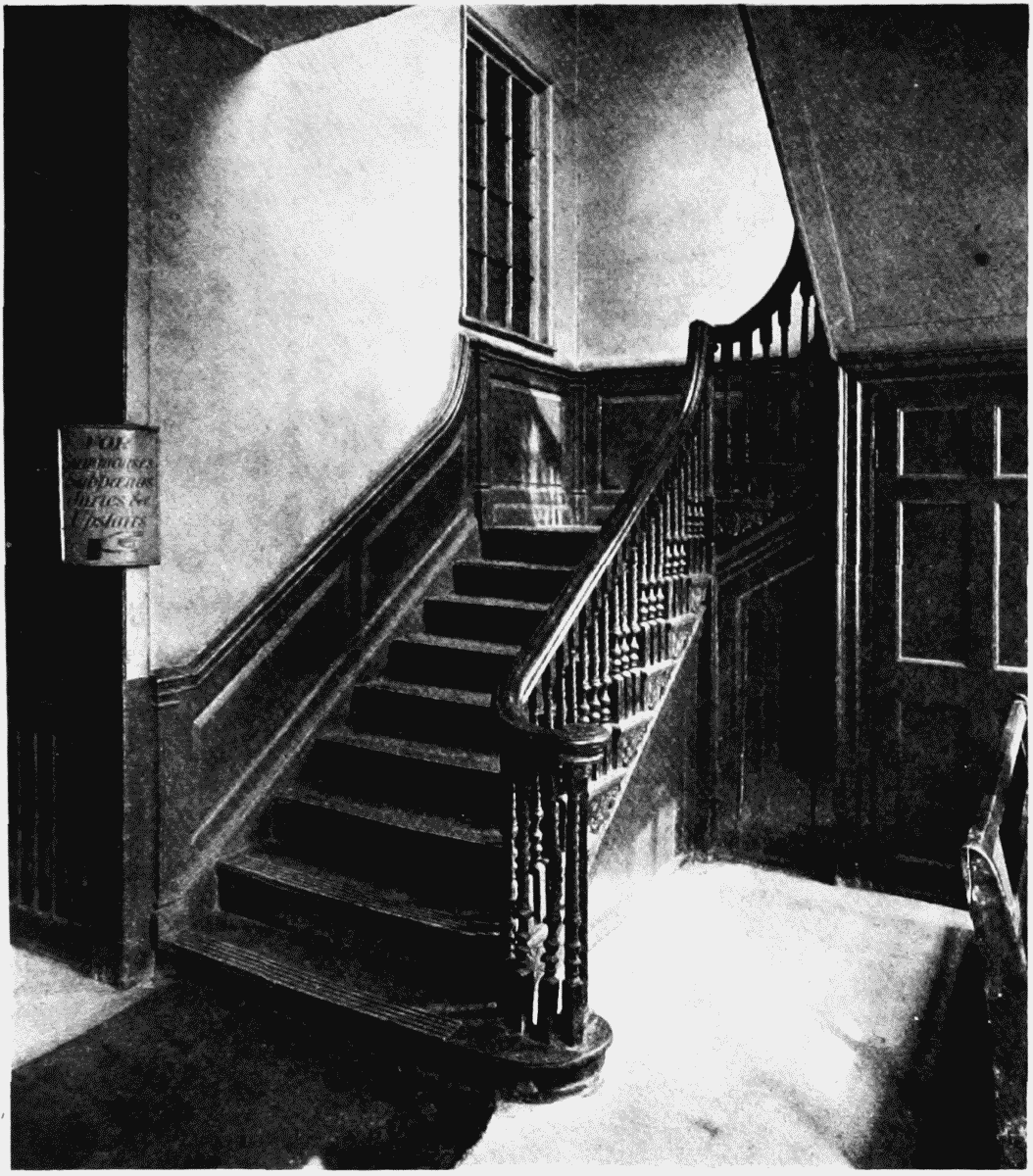
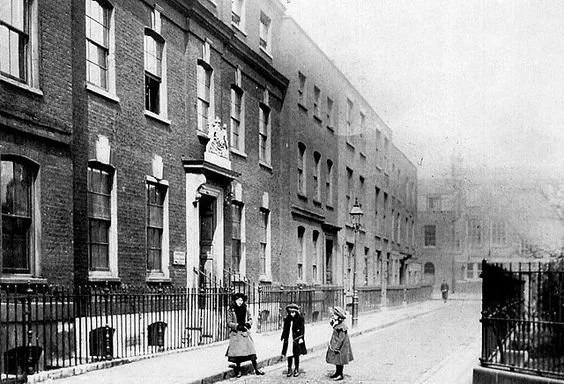
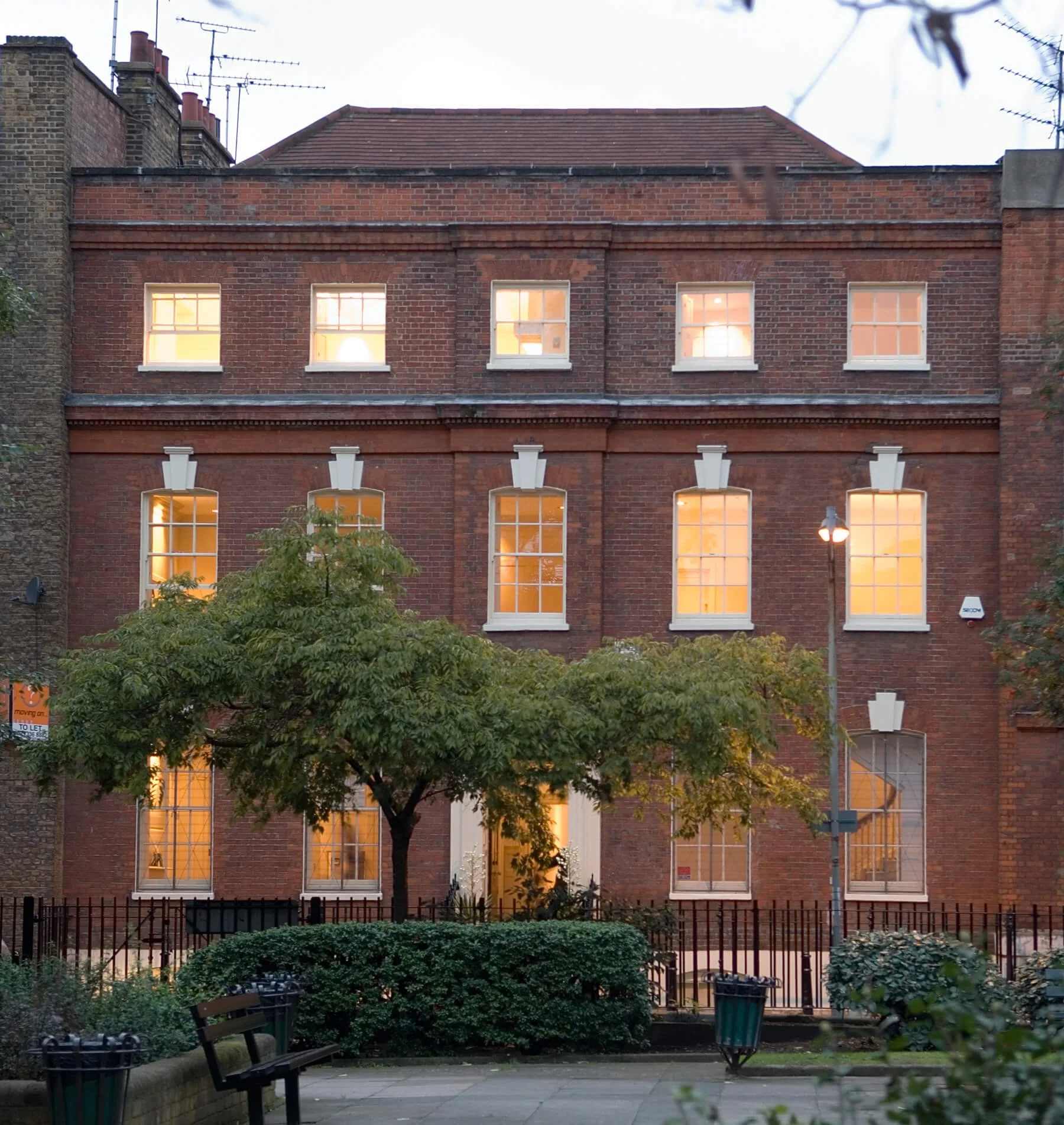
On the western edge of Charles Square, just a few minutes' walk from Old Street, stands the sole survivor of a historic Georgian square. No. 16 is the only original building remaining on the historic garden square, a quiet observer to over three centuries of reinvention. Its story, however, is not linear. It folds into myth, politics, and domestic life, embodying the layered complexity of London itself.
Back in 1500 and 1600s, the square was the location of a manor house or a hunting lodge where people from White Hall would travel to vacation in orchards and fields of flowers. It is widely believed that this was the setting for the illicit encounters between King Charles II and his famed mistress, Nell Gwyn. Whether fact or fiction, the surrounding street names, “King”, “Queen”, and "Crown” hint at a deeper royal association, reinforcing the mythology that still lingers in the area.
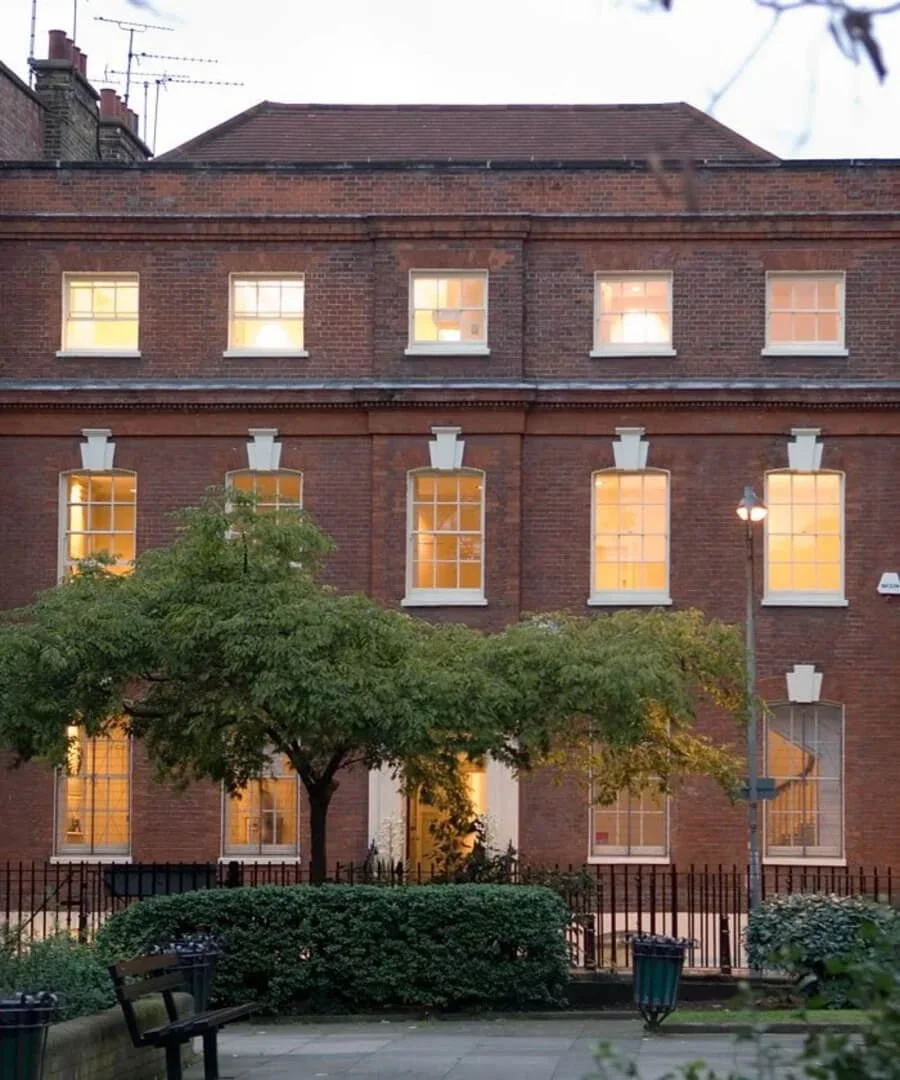
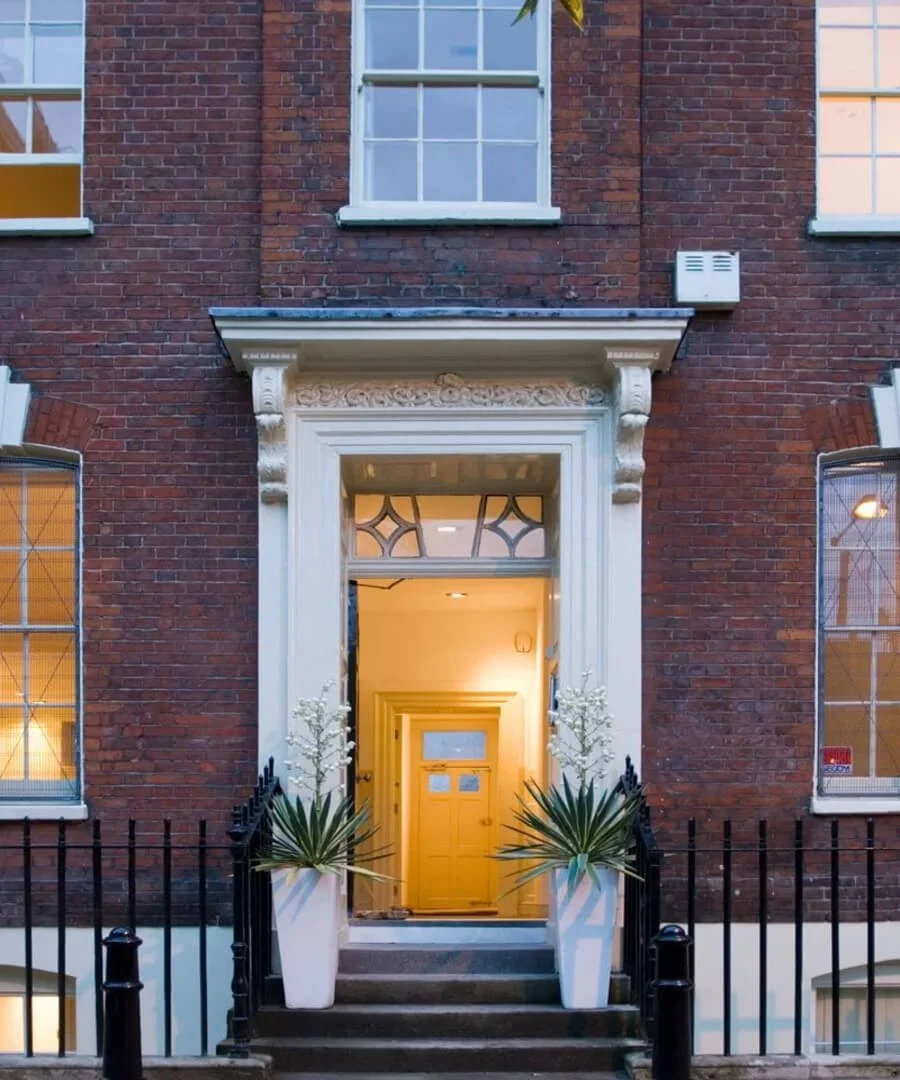
By the late 17th century, the current Georgian house had taken form, reportedly incorporating the cellars of the earlier, grander structure. Records attribute the deed to a certain “Mr Charles” as the original developer of the house and the square, offering a composed architectural frame to what was then an emerging part of London. The square, in fact, was named “New Square” in reference to these changes. Over time, all of the other Georgian buildings would be demolished, and so today, No. 16 stands alone as the last reminder of that period.
In 1842, the building was extended by a story and repurposed, originally as the Shoreditch County Court in 1847, and then in the 1900s, it transitioned, first into the base of the Union of Thread and Sewing, and later into the regional headquarters of the Labour Party. From within its walls, political campaigns that would shape modern Britain were orchestrated, such as Tony Blair's landslide victory as Prime Minister in 1997 and Ken Livingstone’s mayorial campaign for the City of London.
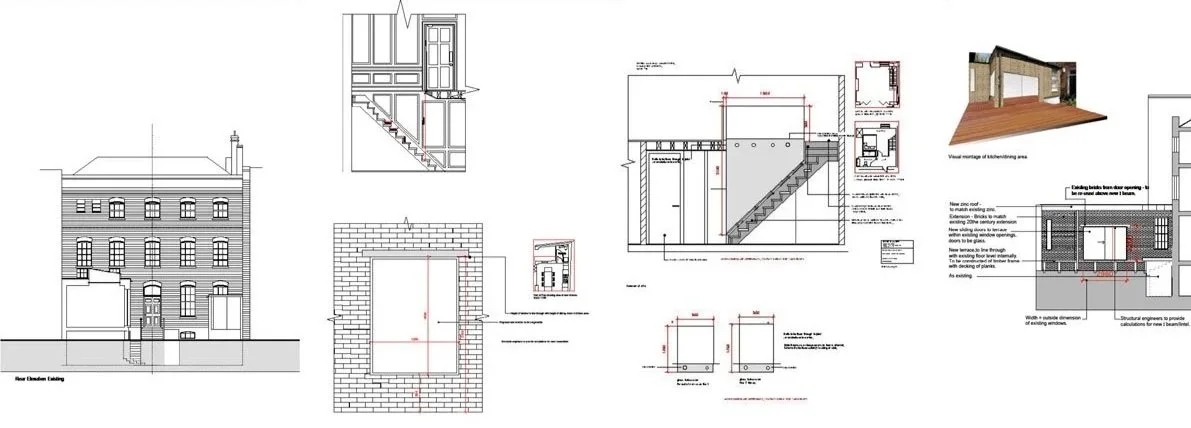
Unfortunately, by 2000, the building was empty and fell into disrepair. Despite its Grade II* listed status, or perhaps because of it, over 40 developers deemed it too complex to convert. Marta Nowicka, a recent widow and single mother with limited funds, acquired the property in 2005 by refinancing her home and getting a bridging loan from Close Brothers. It was considered, by most, an impossible project. What followed was a process defined by persistence. Four planning applications were submitted before approval was granted, each iteration negotiating the delicate balance between preservation and adaptation. Working closely with English Heritage, the approach sought to retain the building’s architectural integrity while enabling contemporary use.
The final scheme reimagined the structure as five apartments across four floors, two duplex units occupying the ground and basement levels, one two-bedroom apartment on the first floor, and two one-bedroom apartments on the top storey. This subdivision was both pragmatic and conceptual: it allowed for a more accessible housing model while respecting the building’s original spatial logic.

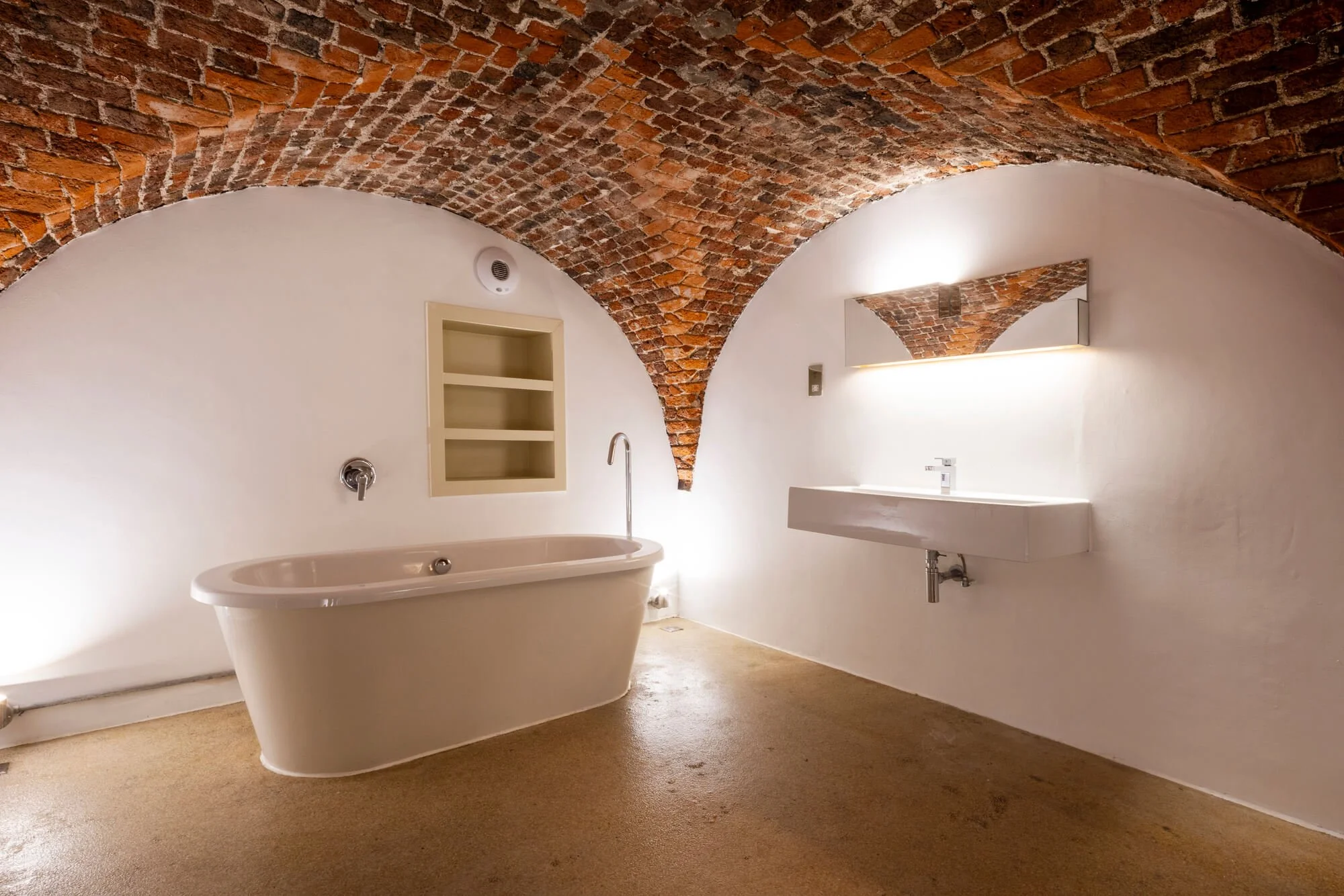
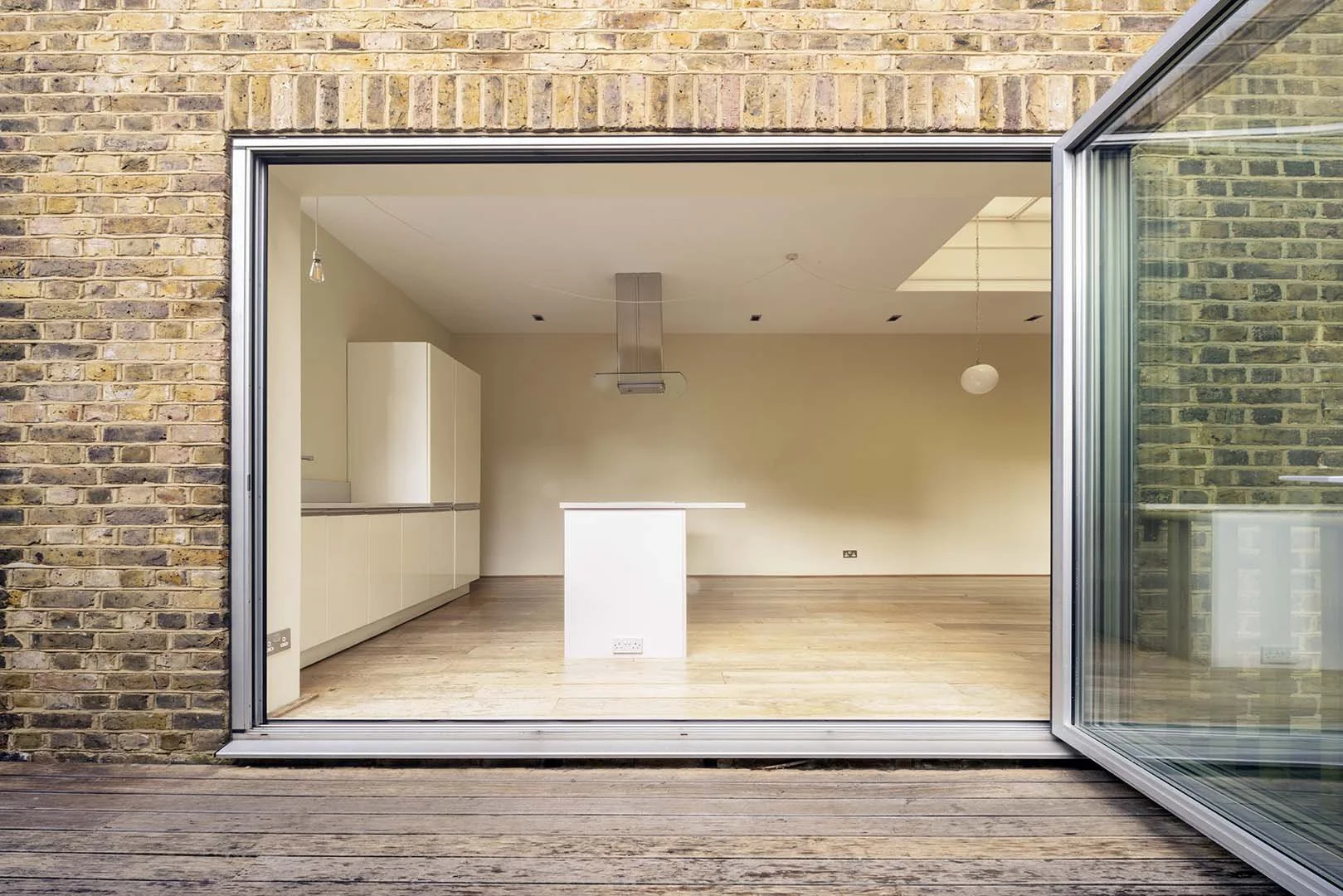
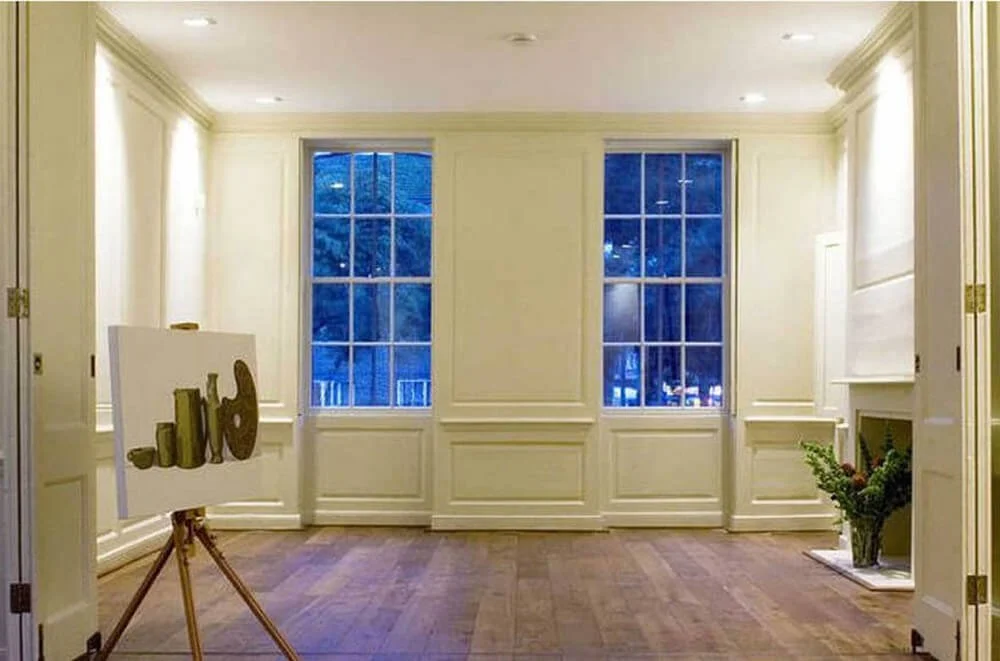
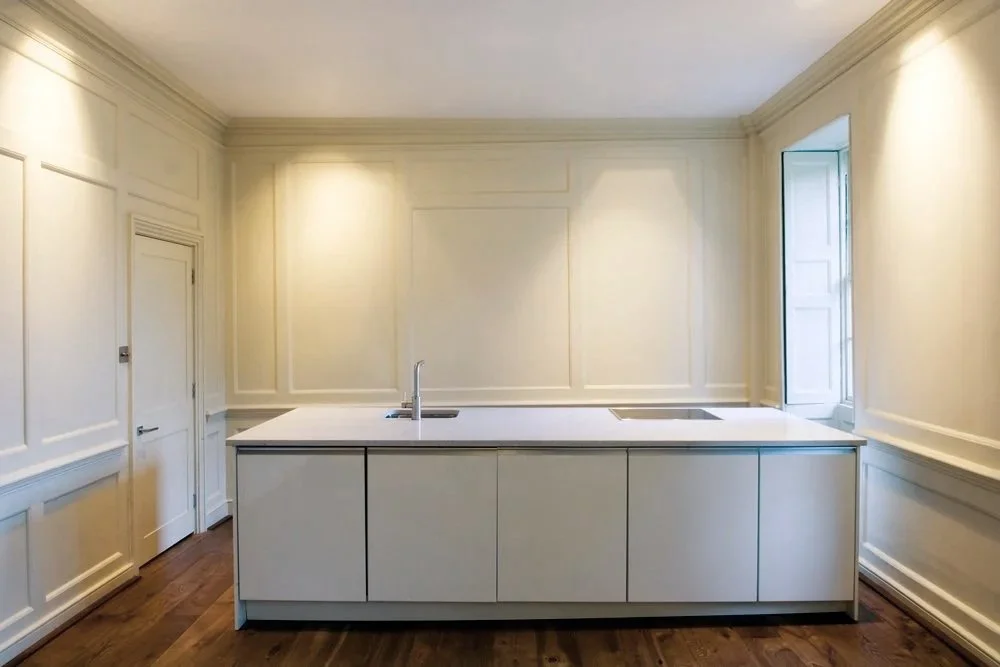
Inside, the design language reflects this duality. Original features, most notably the central staircase and the wood panelling, were carefully restored, anchoring the interiors in their Georgian lineage. Elsewhere, contemporary interventions are implemented with quiet confidence. Kitchens were executed to the best-enduring specifications from German manufacturer Rotpunkt, while bathrooms adopt a more experimental tone with mirrored walls that expand perception. Perhaps the most interesting one is found in one subterranean space from the original cellar, where the domed brick ceiling contrasts sharply with a monolithic concrete floor and oversized bathtub.

Beyond its walls, Hoxton has undergone its own transformation, from an East End working-class neighbourhood to a centre of London’s creative and fintech economy. Charles Square itself has recently been reimagined as a landscaped pocket park, with new planting, seating, and communal amenities. Yet, despite these changes, the presence of No. 16 continues to ground the square in its past.
In a city like London, which is constantly rewriting itself, few buildings managed to move so fluidly between time and function: from private residence to civic institution, from political headquarters to contemporary home. Fewer still manage to retain a coherent sense of self throughout. Today, as part of the DOMstay portfolio, it stands as a case study in Adaptive Reuse; an argument for working with history rather than against it.
Latest Stories