
Live like a local: Charles Square & Hoxton
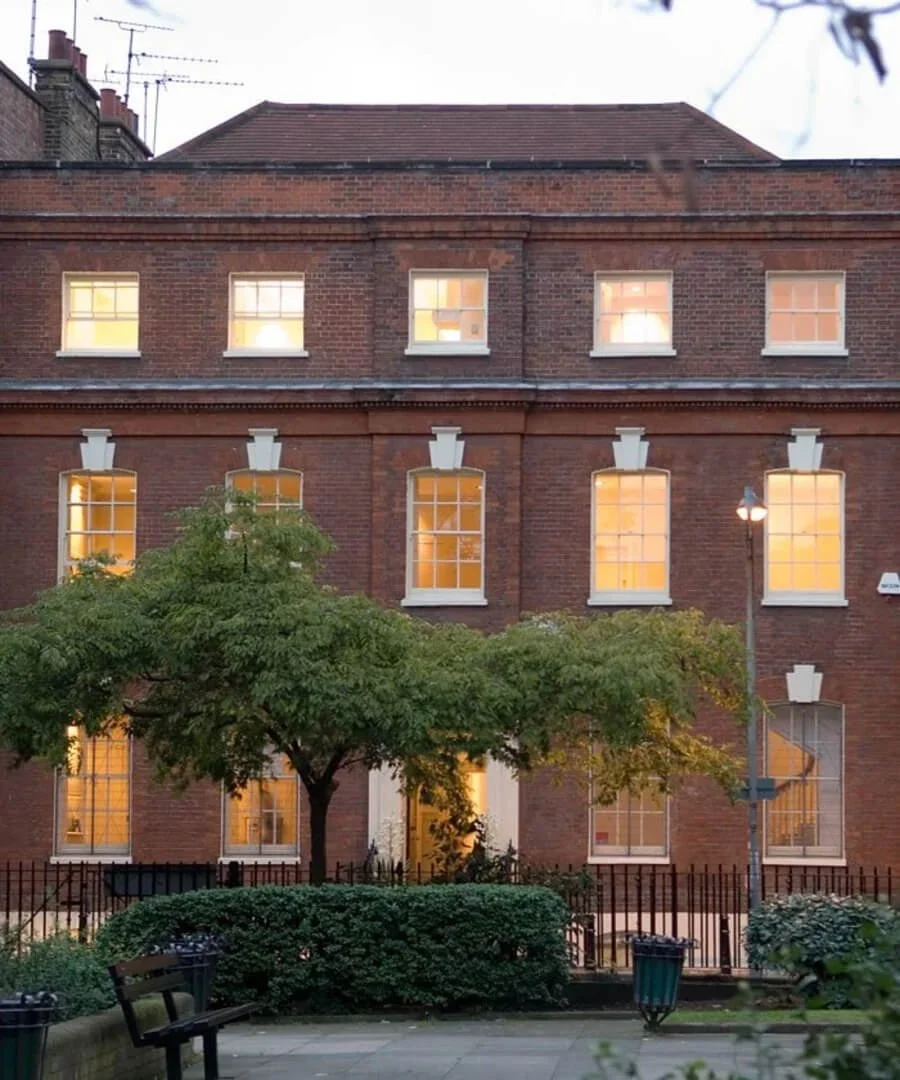
Few areas in London reveal the city’s layered past quite like Hoxton. Once a rural settlement beyond the edge of the City, later transformed by industry, immigration, and political movements, the neighbourhood today exists in a fascinating balance between old and new. Life around No. 16 Charles Square is an evolving landscape. Historic buildings sit beside contemporary interventions, contemporary galleries occupy former warehouses, and independent restaurants and coffee shops spill onto the colourful streets.
Spend even a day here, and you’ll quickly understand why locals rarely leave the area for long. From architecture and galleries to parks, bars, and late-night cinemas, Hoxton rewards exploration and curiosity. Join us as we explore some of our favourite ways to experience the area around our Georgian gem.
1. A city built in layers
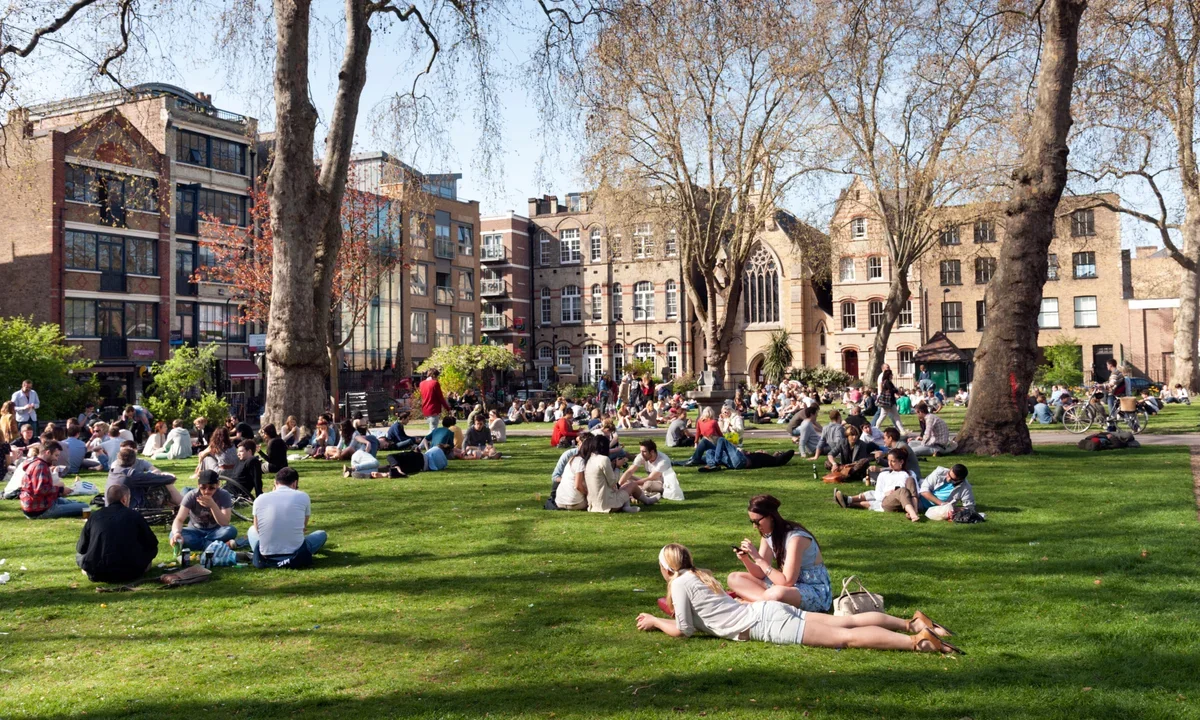
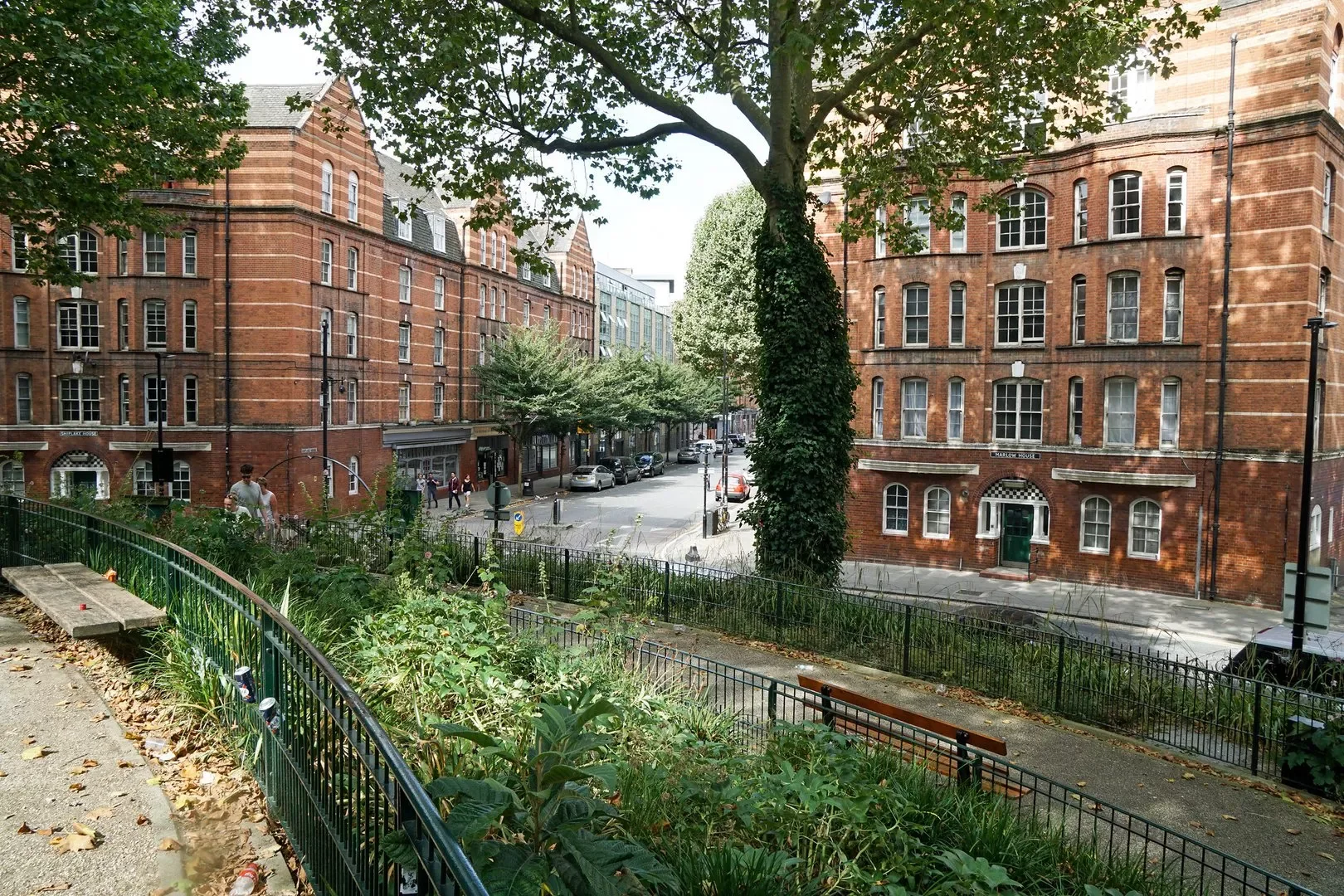
One of the best ways to experience Hoxton is to wander through it. This part of the city reveals East London's rich history through architectural contrasts: elegant Georgian terraces beside Brutalist housing blocks, Victorian warehouses converted into studios, and modern spaces hidden behind centuries-old facades. Start at Charles Square itself, one of the few surviving Georgian garden squares built during the late 17th century and then walk towards Arnold Circus and the Boundary Estate, widely considered the world’s first social housing development. Built in the late 19th century, its radial layout and red-brick architecture remain remarkably forward-thinking even today. Continue through Shoreditch, and you’ll encounter layers of London unfolding street by street. Huguenot-era terraces, decorative brickwork, original timber shopfronts, and faded painted signs often reveal more about the area than any guidebook possibly could.
2. Domestic life at the Museum
Continuing your journey through the rich history of London, the Museum of the Home explores how domestic interiors and everyday living have evolved over the past four centuries. Moving through reconstructed rooms from different eras feels strangely immersive, particularly as it’s set within restored 18th-century almshouses on Kingsland Road. Quickly, you’ll begin noticing how ideas of comfort, design, privacy, and family life continue to change while certain rituals remain remarkably familiar. The museum gardens are equally worth exploring, especially in warmer months, offering a quiet retreat from the surrounding city streets.
© Listone Giordano
3. Galleries with a local feel
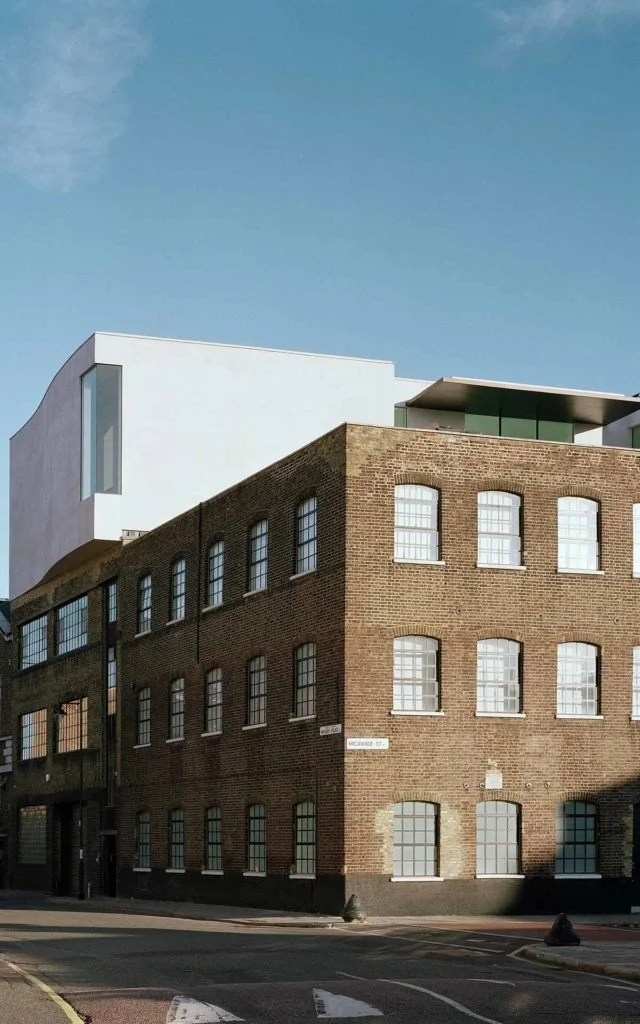
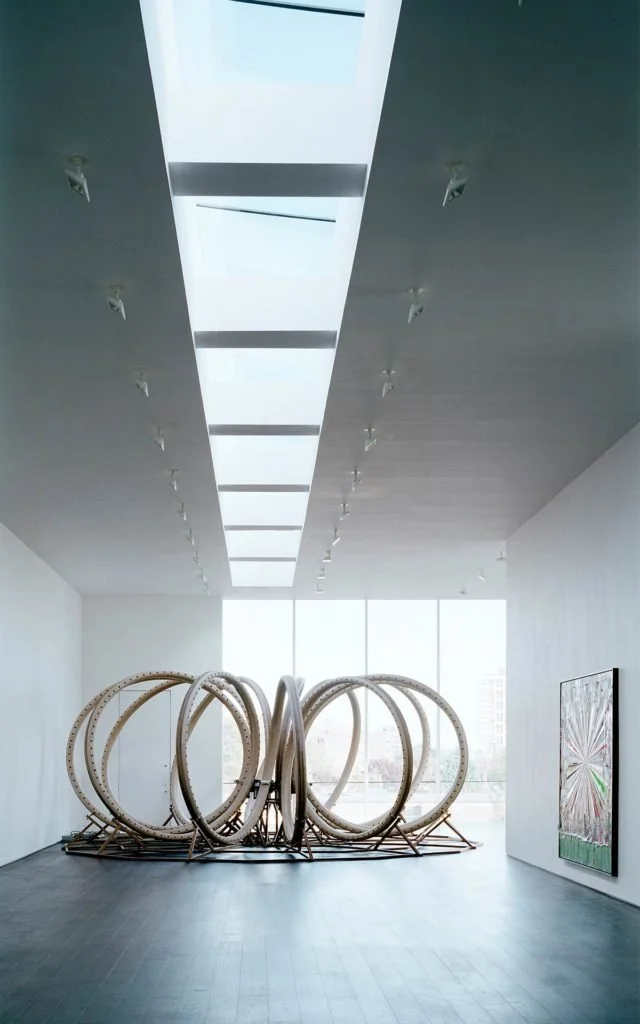
East London’s gallery scene has long shaped the identity of its neighbourhoods, but what makes Hoxton particularly special is the intimacy of its spaces. Rather than monumental institutions, here you’ll find smaller galleries where exhibitions feel personal, experimental, and deeply connected to the surrounding community. Part of the joy lies in discovering concealed temporary exhibitions, artist studios, and project spaces hidden behind understated facades. Victoria Miro is one of our favourites, occupying a beautifully restored industrial building while showcasing contemporary artists across painting, sculpture, and installation. Nearby, Peer continues to be one of East London’s most respected non-profit galleries, known for thoughtful exhibitions and collaborations with emerging artists. However, the area’s creative spirit also extends naturally into the streets themselves, where murals, installations, and urban culture become part of the visual landscape.
3. Canal-side walks
Despite its urban density, Hoxton offers surprising moments of calm. The neighbourhood is full of small green spaces, canalside paths, and quiet residential streets that make walking one of the best ways to experience the area. Begin with a stroll through Shoreditch Park before heading toward Regent’s Canal, one of the most peaceful walking routes in East London. From here, you can follow the water all the way toward Victoria Park, passing narrowboats, converted warehouses, waterside cafés, and hidden gardens along the way. For something quieter, we recommend exploring the residential streets surrounding De Beauvoir and Haggerston, where London suddenly slows down into tree-lined terraces, independent bookshops, and small neighbourhood cafés.
4. Cinema culture
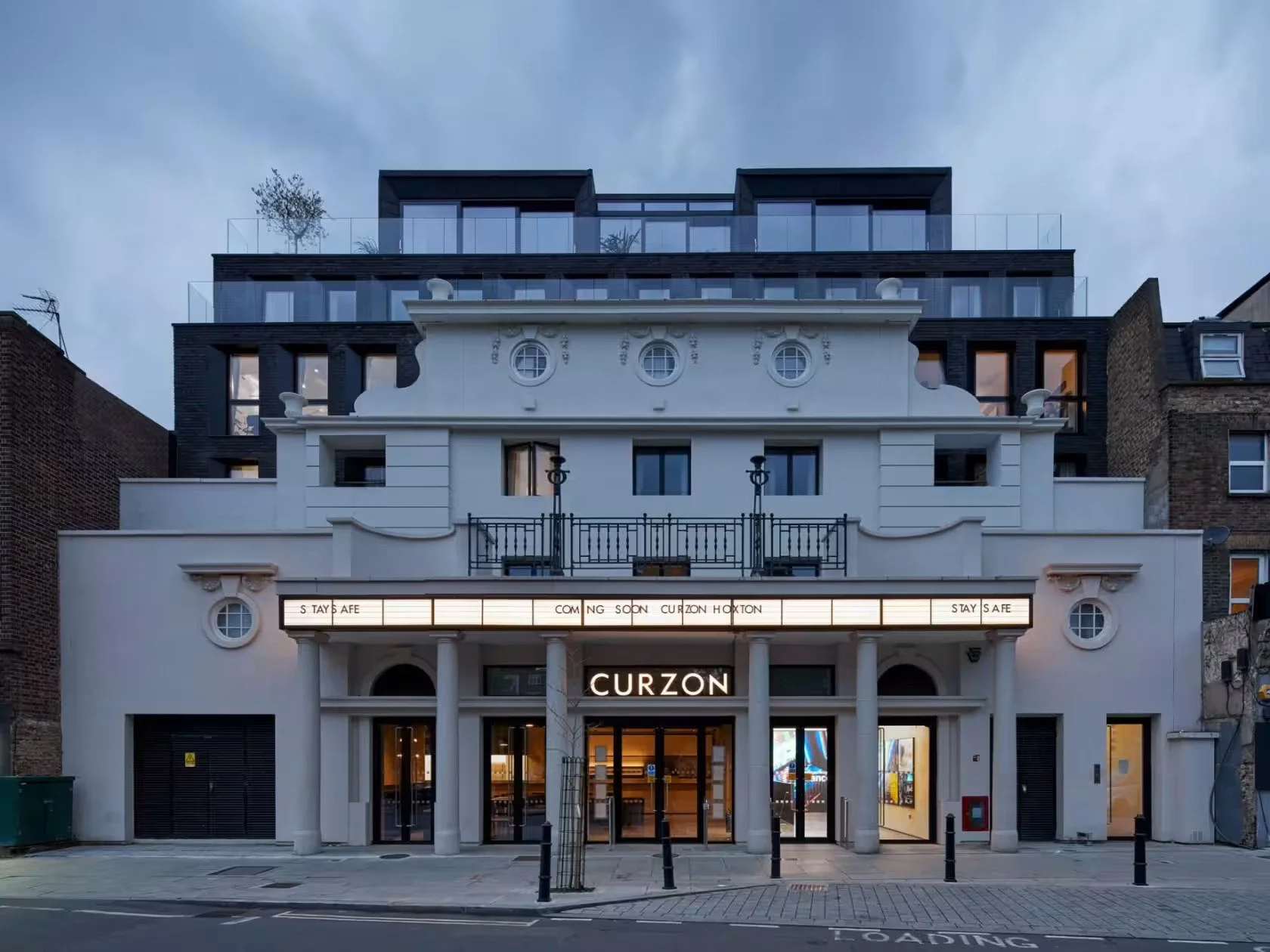
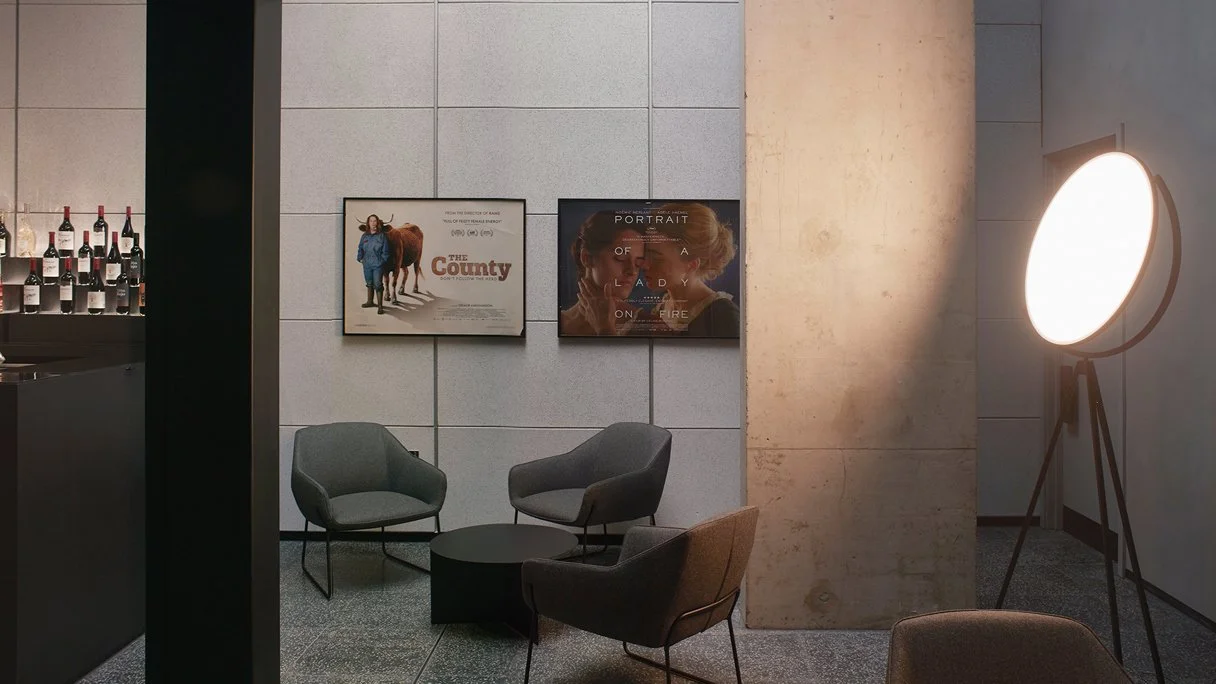
There’s something timeless about going to the cinema on a quiet evening, and Curzon Hoxton is one of the neighbourhood’s staples. Far removed from the atmosphere of multiplex chains, this cultural hub is known for its carefully curated programming of independent cinema, documentaries, international releases, and cult classics. The cinema regularly hosts film clubs, festival screenings, special events, and director Q&As, giving it a strong connection to the local community and East London creative world. There’s a familiarity to the space that feels distinctly Hoxton, a thoughtful approach that allows the space’s identity to be defined as much by its audience as the films themselves.
© The Curzon
5. A “must” dinner destination
East London’s culinary scene houses some of the most exciting dining in the city. From small neighbourhood kitchens to internationally celebrated restaurants, the area favours long evenings around the table. Few places have shaped modern British dining quite like The Clove Club. Located within the historic Shoreditch Town Hall, the restaurant helped define East London as a serious culinary destination while maintaining an atmosphere that still feels warm and approachable. Dining here feels thoughtful rather than theatrical, with a menu that focuses on seasonal British ingredients elevated with precision, allowing each element to speak for itself. Of course, beyond fine dining, the surrounding streets are filled with wine bars, bakeries, natural wine cafés, and late-night spots that make spontaneous dinners just as memorable as carefully planned reservations.
5. Wine in or Night out?
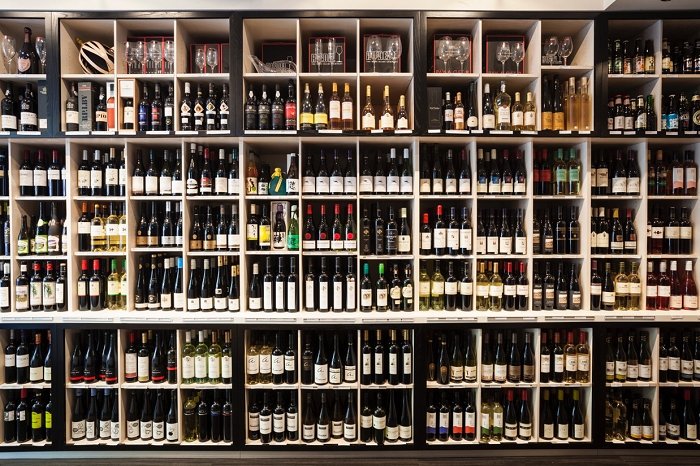
Hoxton feels particularly well-suited for an intimate night with friends. Perhaps it’s the slower pace, or the abundance of late-night spots, but the neighbourhood has become one of London’s best for discovering excellent bottles. For a night out, Nightjar Shoreditch remains one of the area’s most atmospheric bars, known for its inventive cocktails, live jazz, and candlelit interiors hidden beneath the streets of Shoreditch. The space feels unmistakably London, the kind of place where one drink easily turns into several hours. If you’d rather bring a bottle back home, Amathus Shoreditch is our go-to. Part specialist wine merchant, part spirits and beer retailer, it offers an excellent selection ranging from natural wines and small European producers to rare bottles that you won’t be able to source anywhere else. Perfect for quiet evenings at home after a long day exploring the neighbourhood.
Whether you spend your days wandering through art galleries, laughing with friends around the dinner table, or simply discovering the historic streets surrounding Charles Square, Hoxton has a way of revealing a piece of the city’s history. It’s a neighbourhood best experienced without too much planning, because some of the most memorable moments happen between destinations when you let yourself be present. From Georgian architecture and canalside walks to independent cinemas and candlelit restaurants, this is London at its most atmospheric: lived-in, evolving, and endlessly inspiring.
Latest Stories